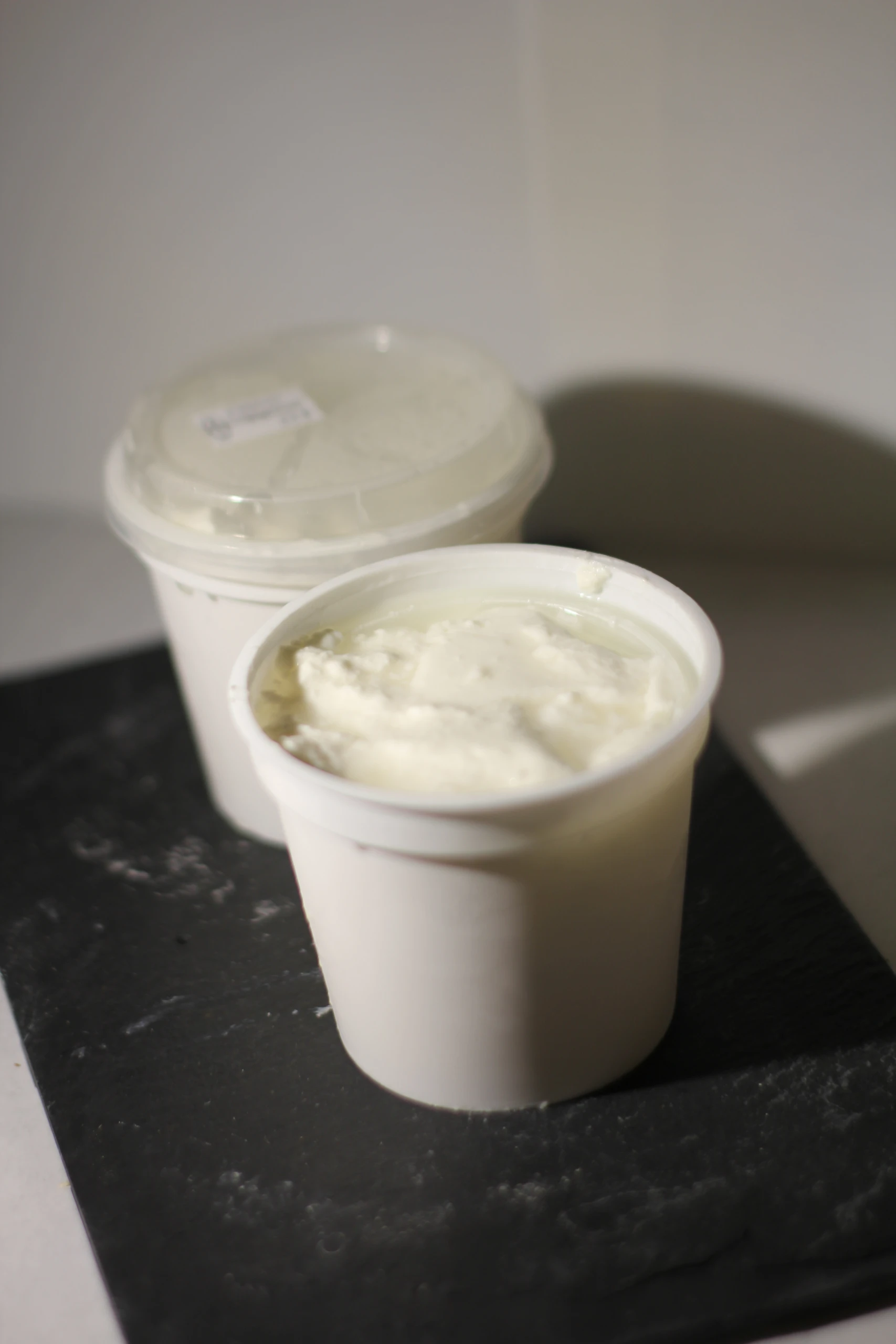
Faisselle
To eat savoury or sweet
Lactic-set raw-milk cheeses in every shape, made every day in the farm’s dairy.
All our cheeses are lactic-set, made on the farm with the milk of our goats. From fresh cheeses of the day to dry ones aged for several months, the range changes with the season and the maturing.
The fresh cheeses go into the shop window the same day. The others go up to the drying room, where they develop their rind and their flavour: a few days for the semi-dry ones, several months for the old dry ones. The milk comes from our 80 Alpine goats, a stone’s throw from the dairy.
See the whole range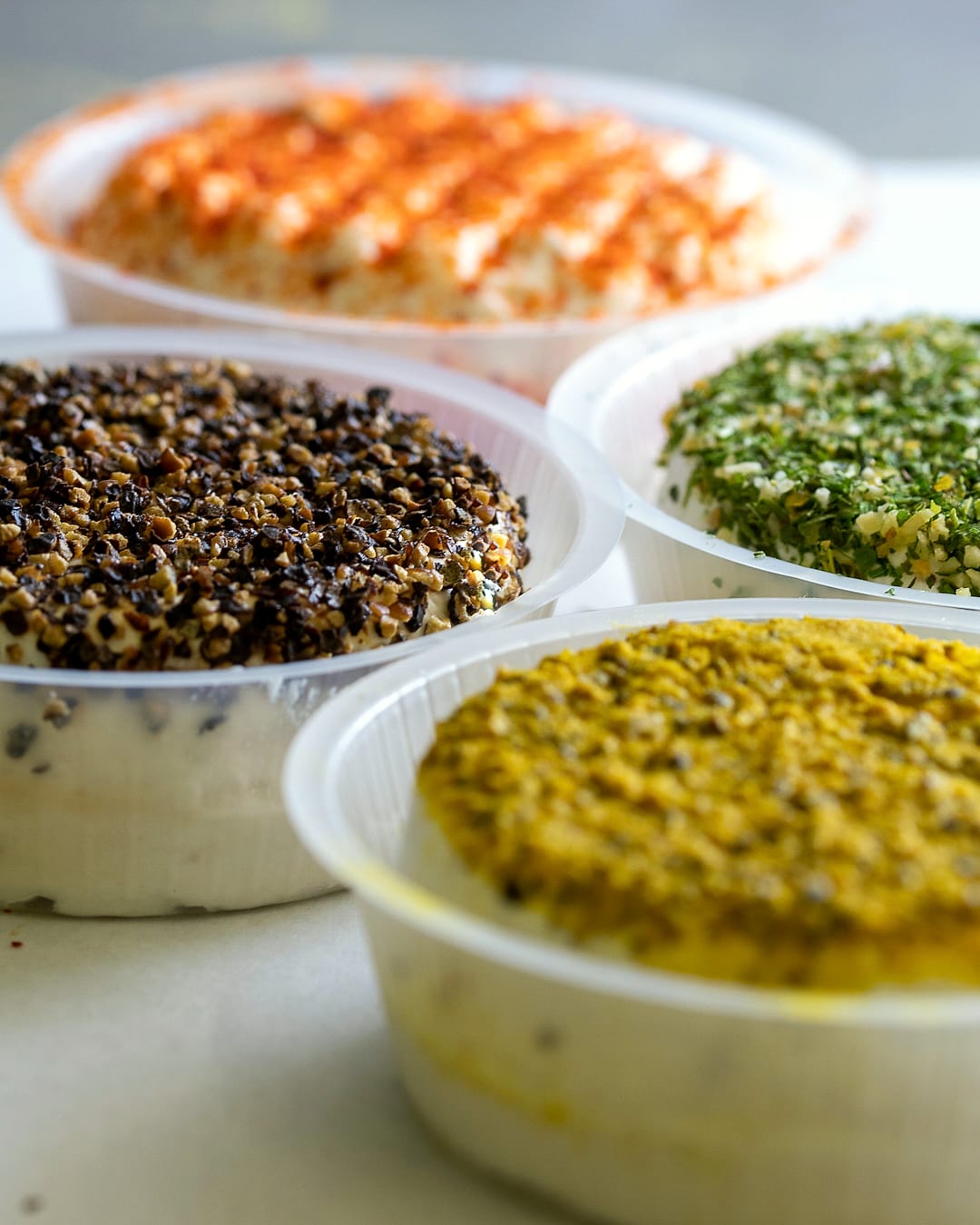
The milk is processed every day, in the farm’s dairy, without ever leaving the chemin de Fonteron. Here is what happens between the milking and the shop window.
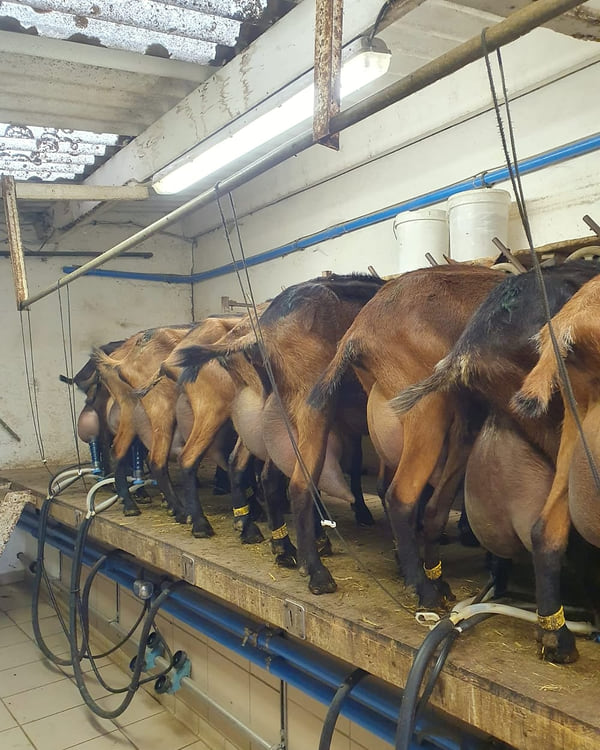
My goats go through the milking platform in the morning. The milk is brought up to the dairy every morning.
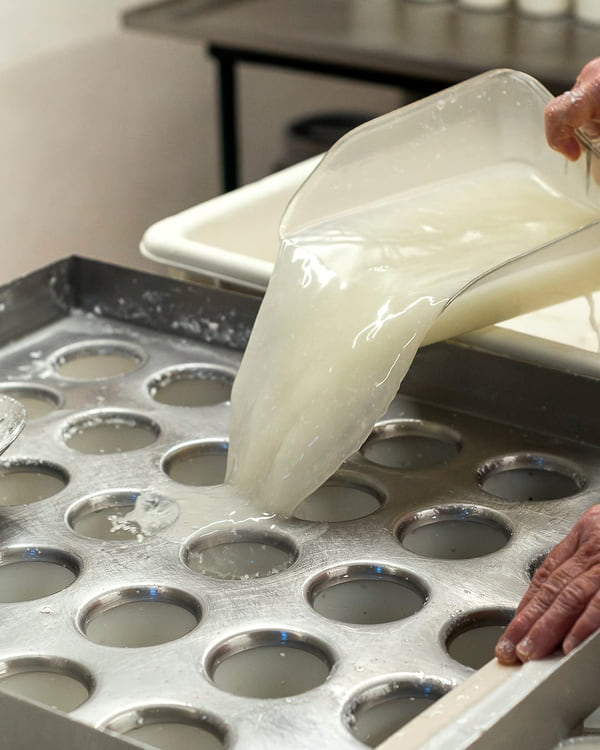
The milk takes a whole day to set into curd after the rennet is added. It sets all by itself, thanks to the good atmosphere in the dairy.
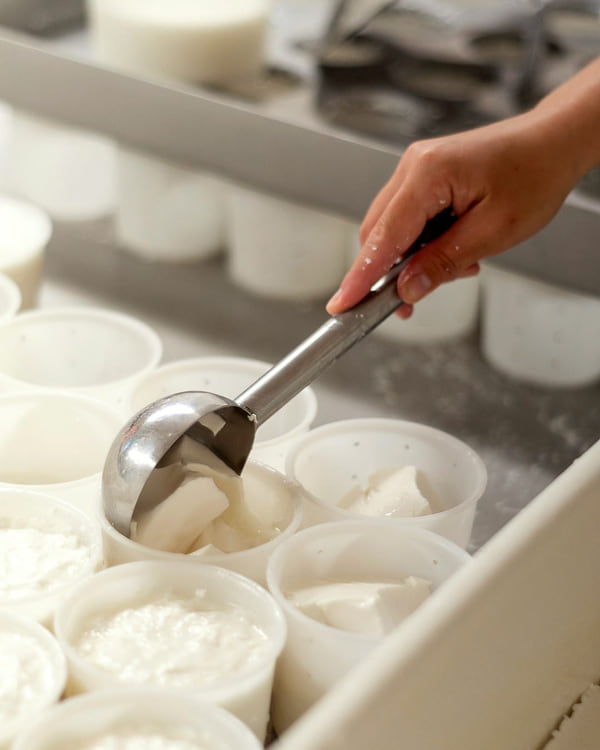
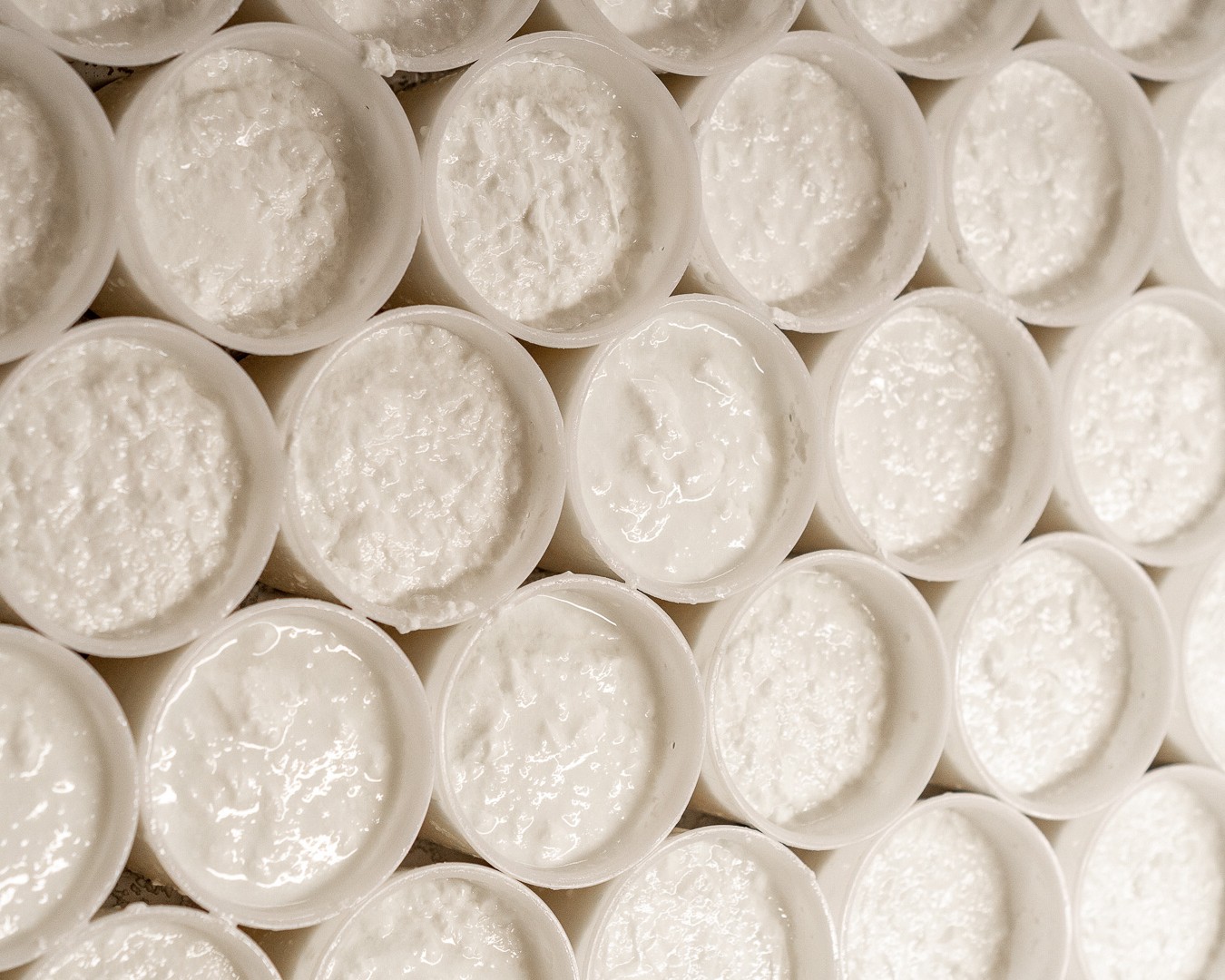
The curd is placed ladle by ladle into each mould. These are the faisselles!
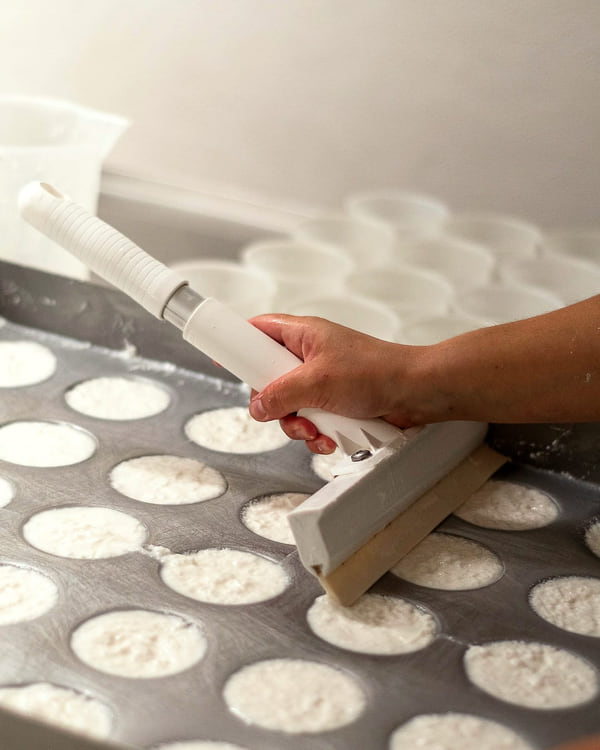
To mould faster, we have a distributor and a scraper that let us make the cheeses 30 at a time.
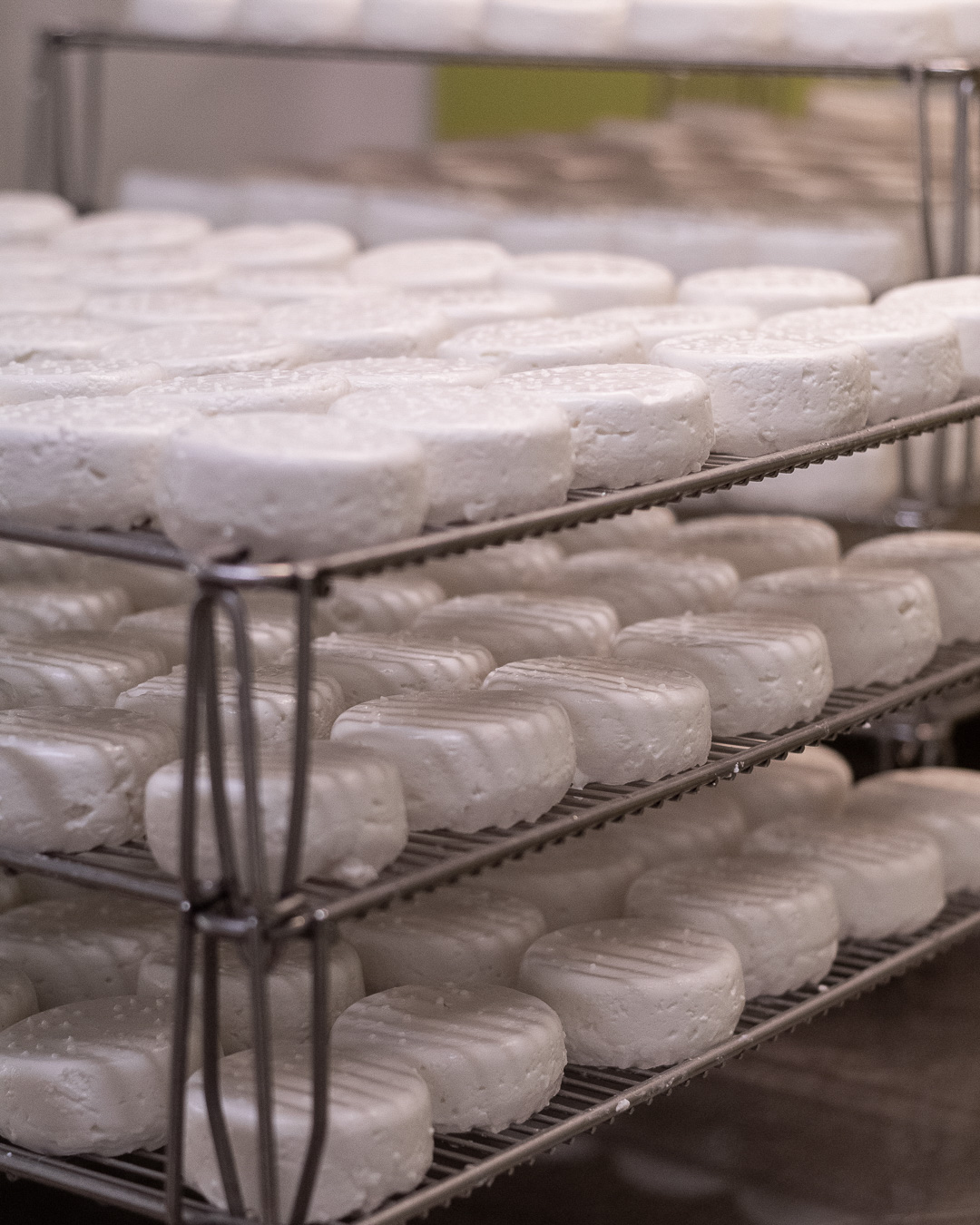
The cheeses become fresh cheeses and are turned out onto racks. They will stay several days in the draining room.
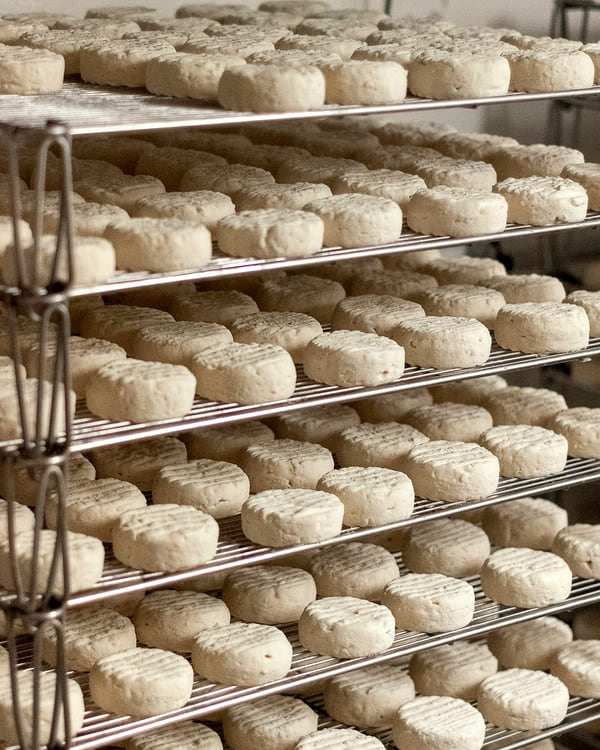
After a few days the cheeses head for the drying room to become semi-dry or dry. The others go to the maturing room to become creamy.
A wide range made with the raw milk of my goats. The taste varies with the maturing, with what the goats eat and above all with the point in the lactation.
All our cheeses are made with the raw, whole milk of our goats. Allergens: milk. Keep between 0 and 4 degrees.
The same milk, from the freshest to the driest. It is all a matter of maturing.
To eat savoury or sweet
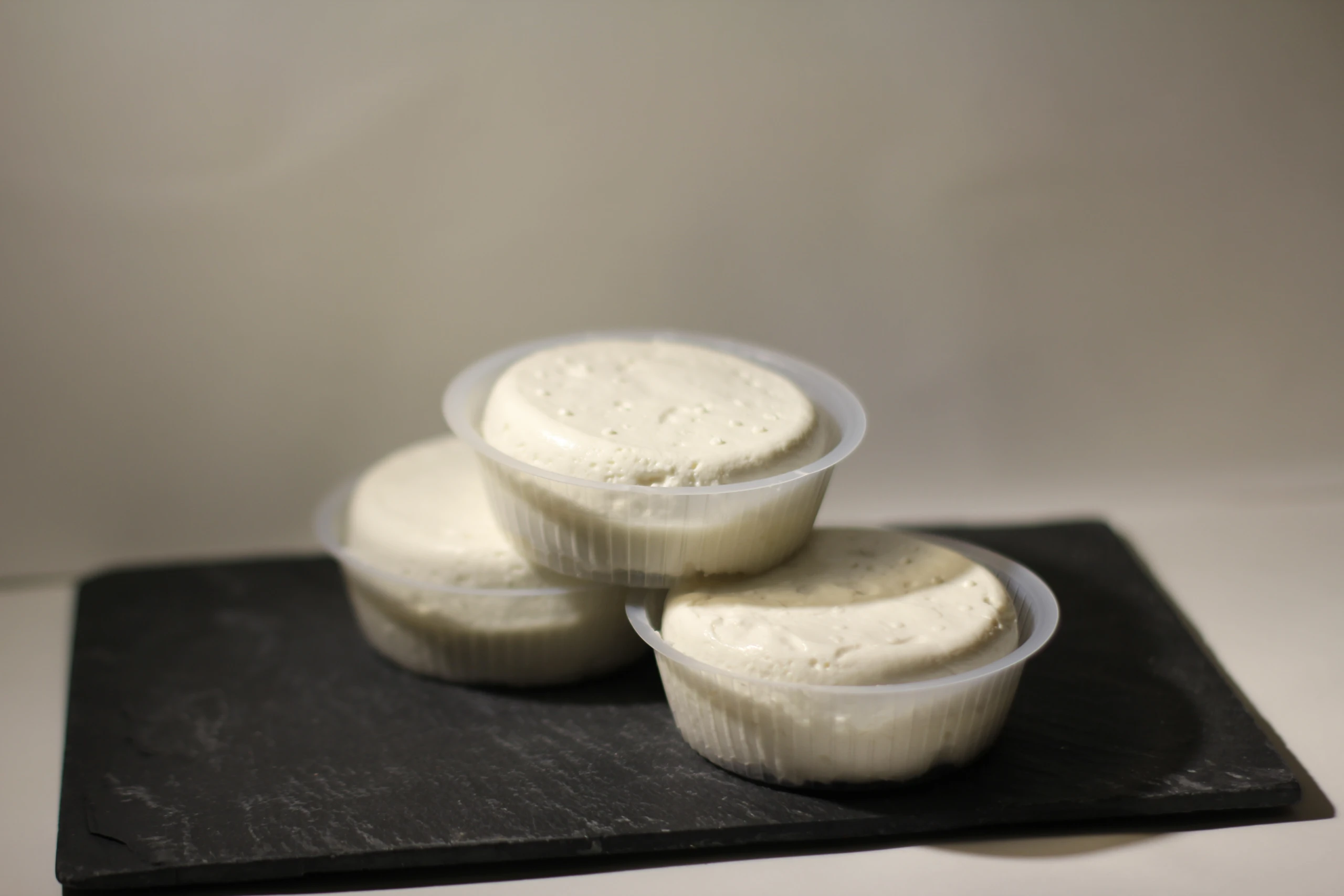
The salted fresh cheese of the day
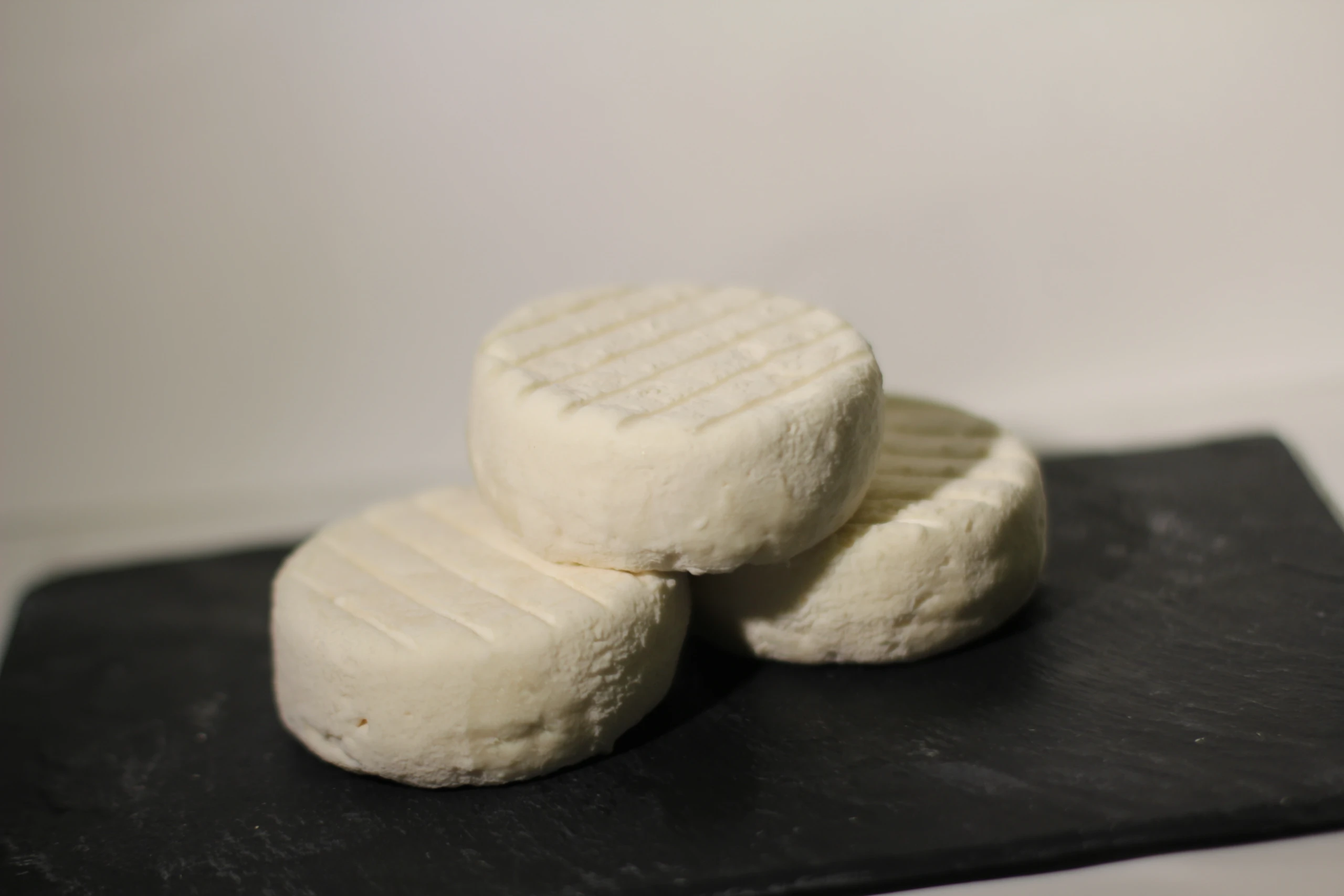
A few more days.
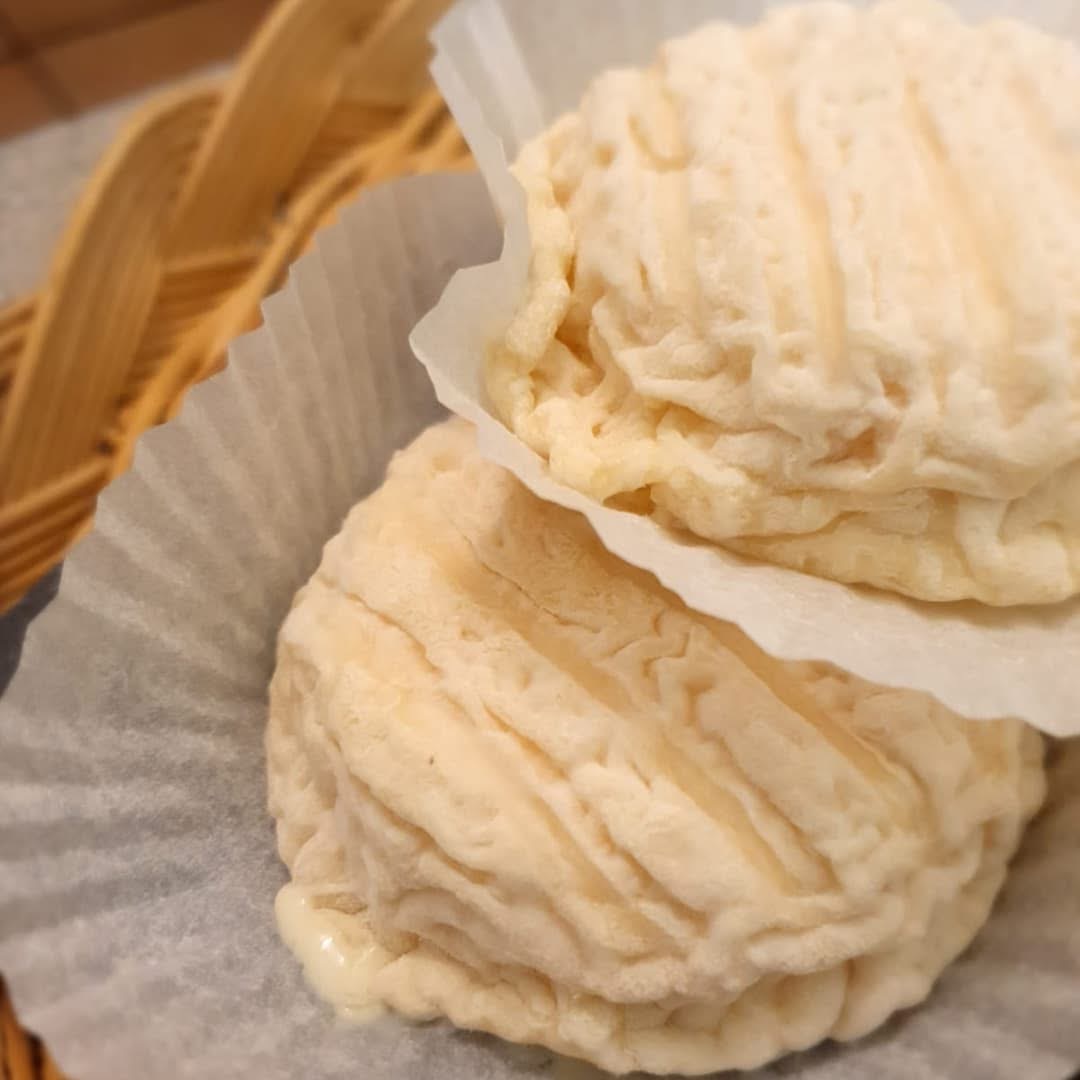
Melting in the mouth.
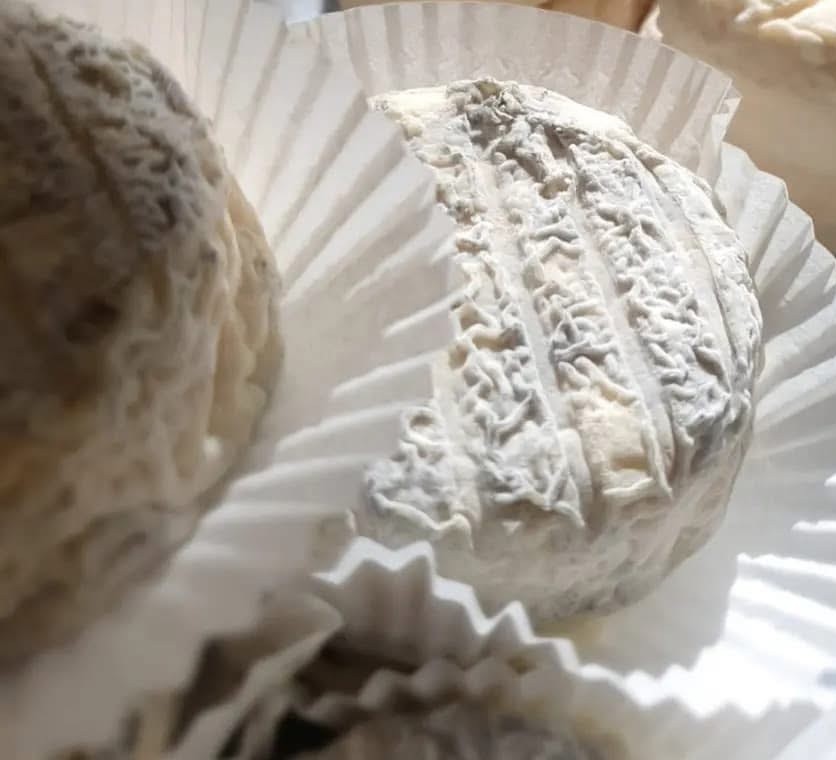
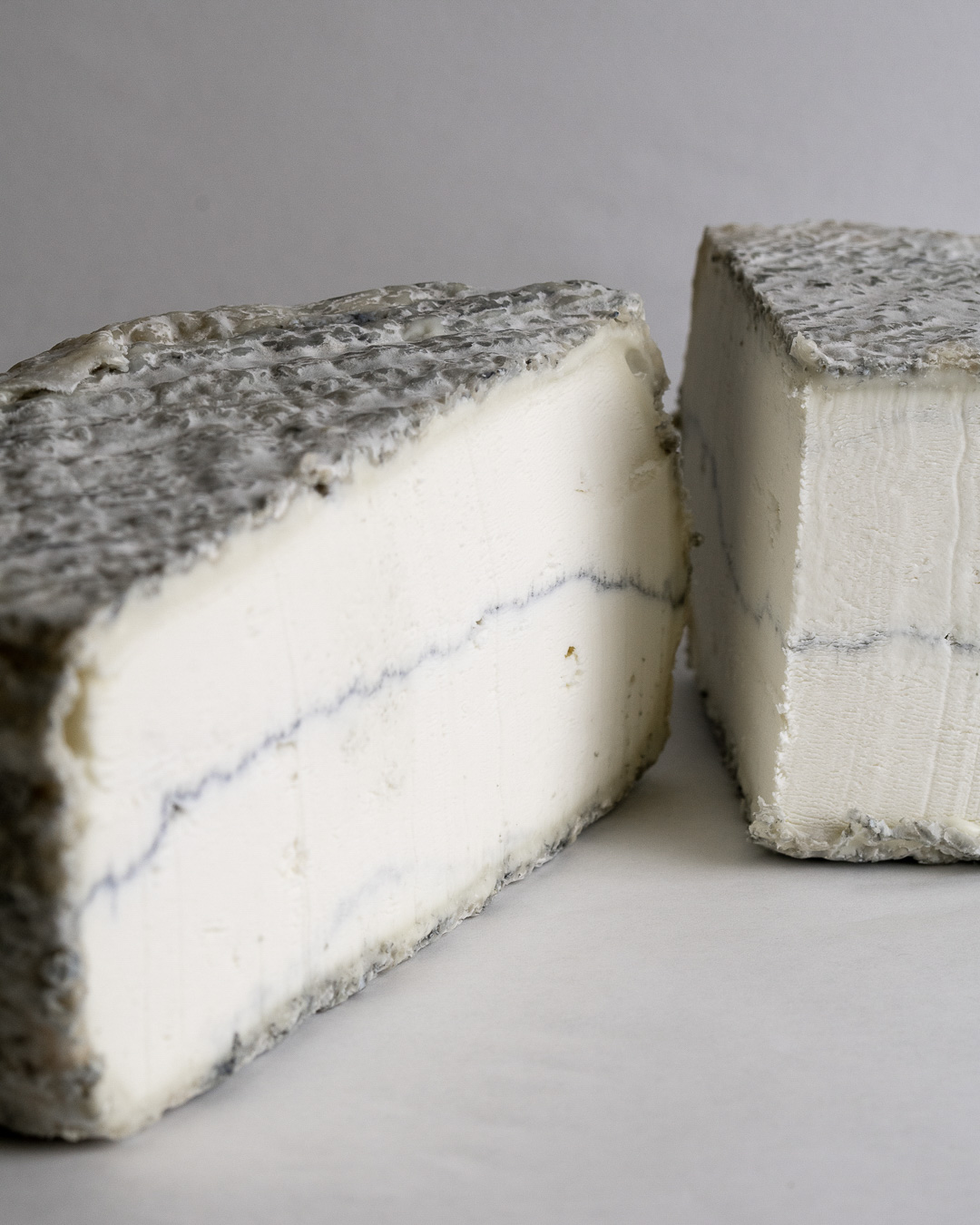
A fine layer of ash, which makes it saltier.
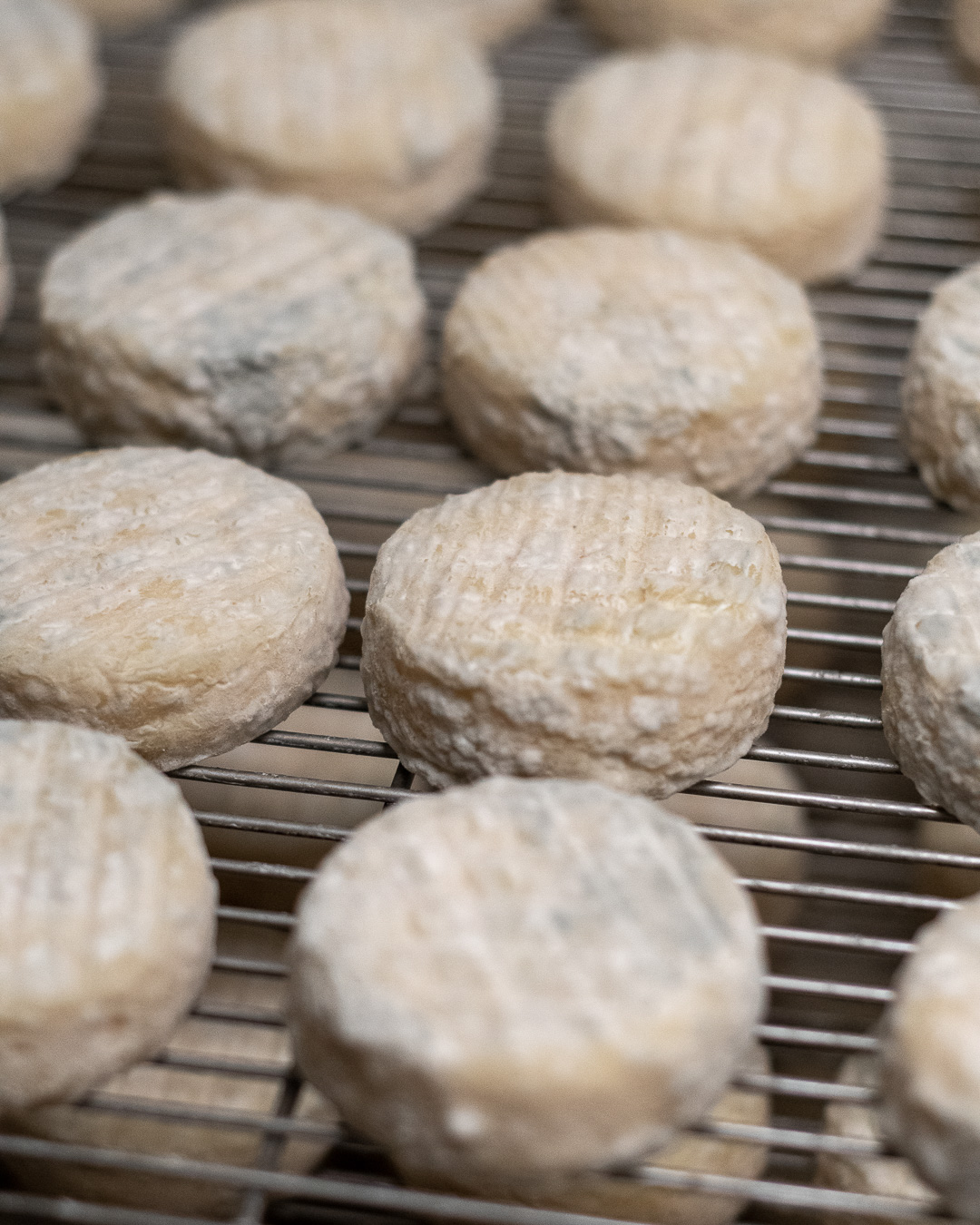
The rind starts to bloom, the flavour to build.
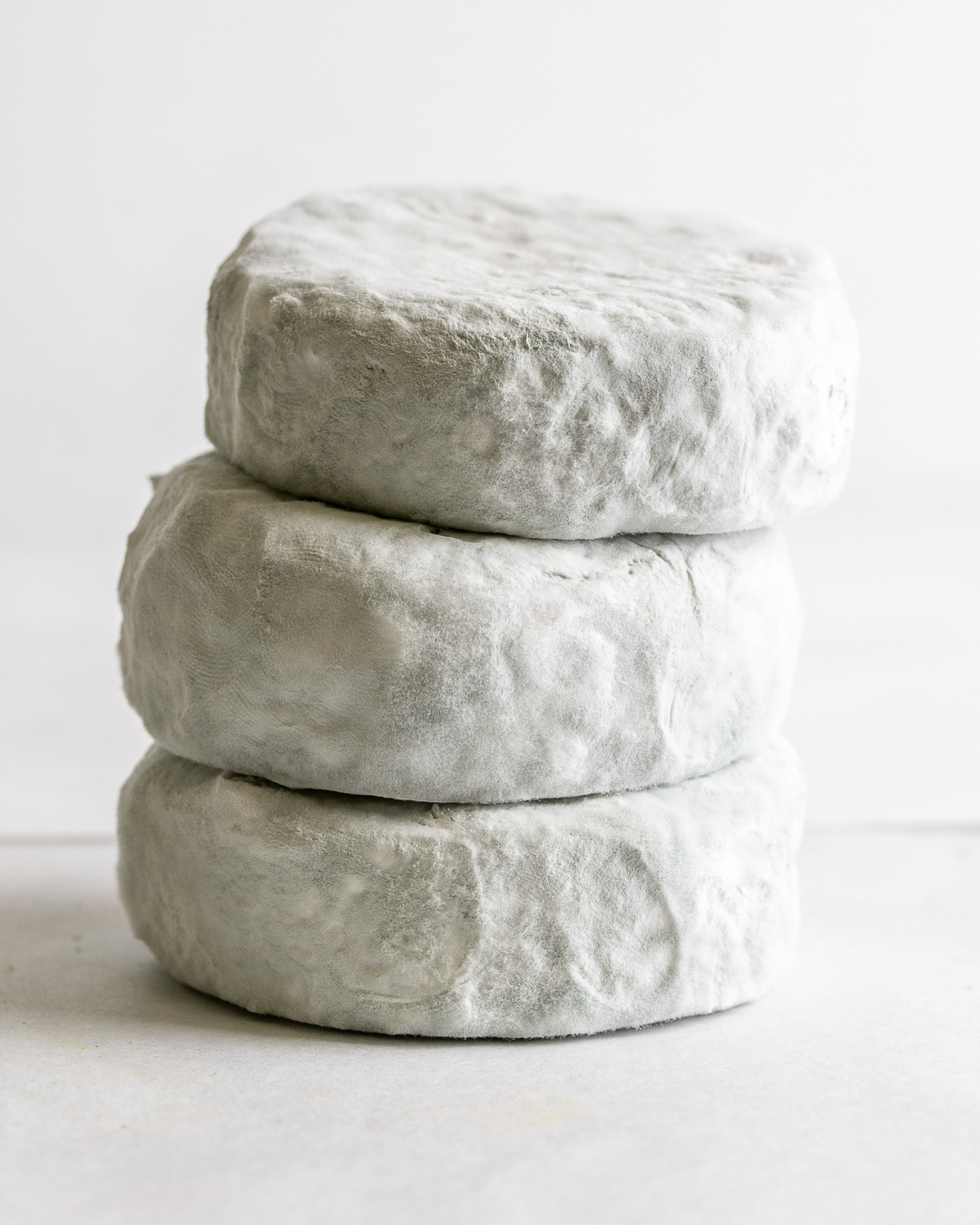
A month of maturing and the penicillium covers the cheese.
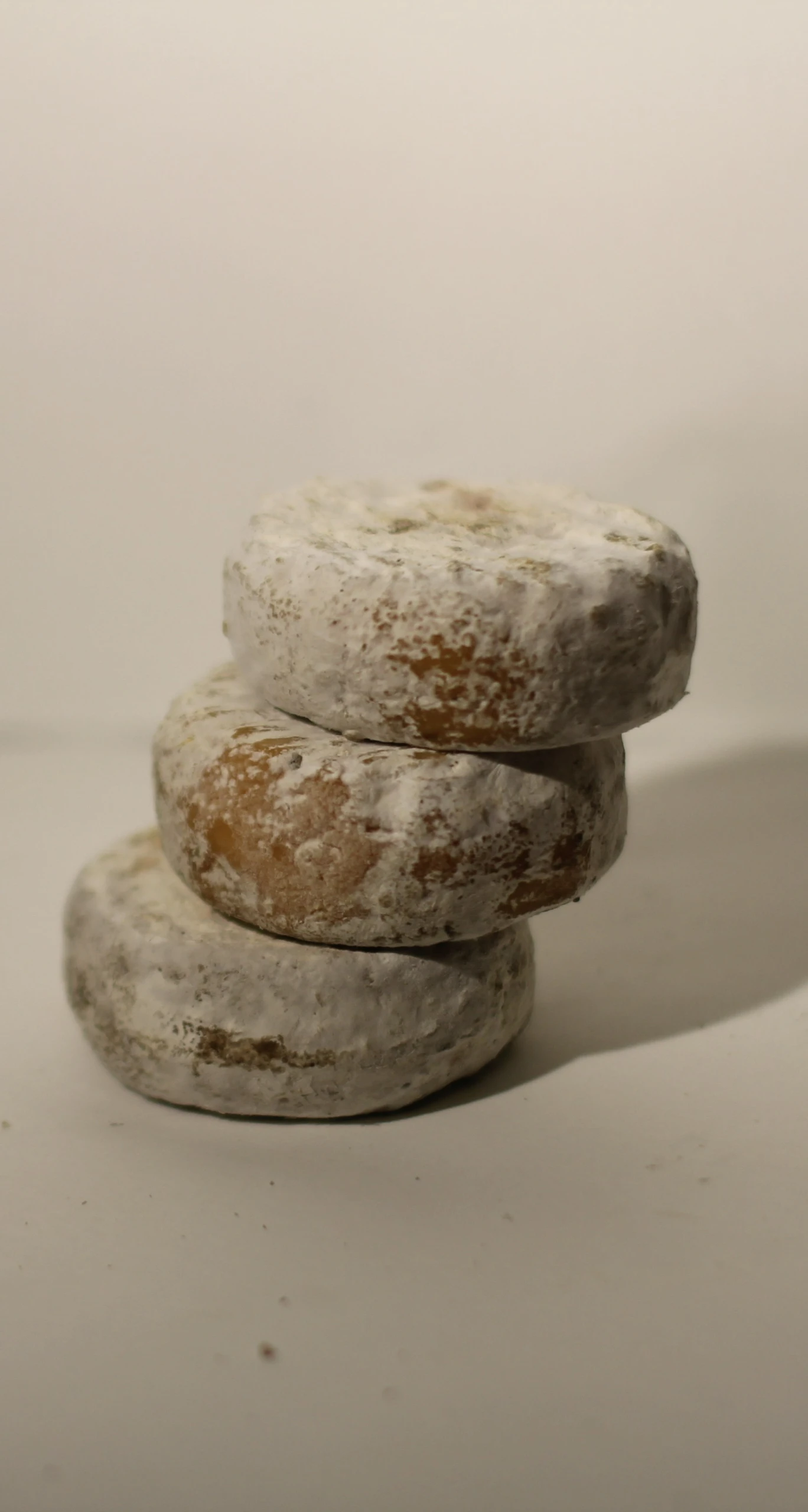
A year of maturing, mind your teeth!
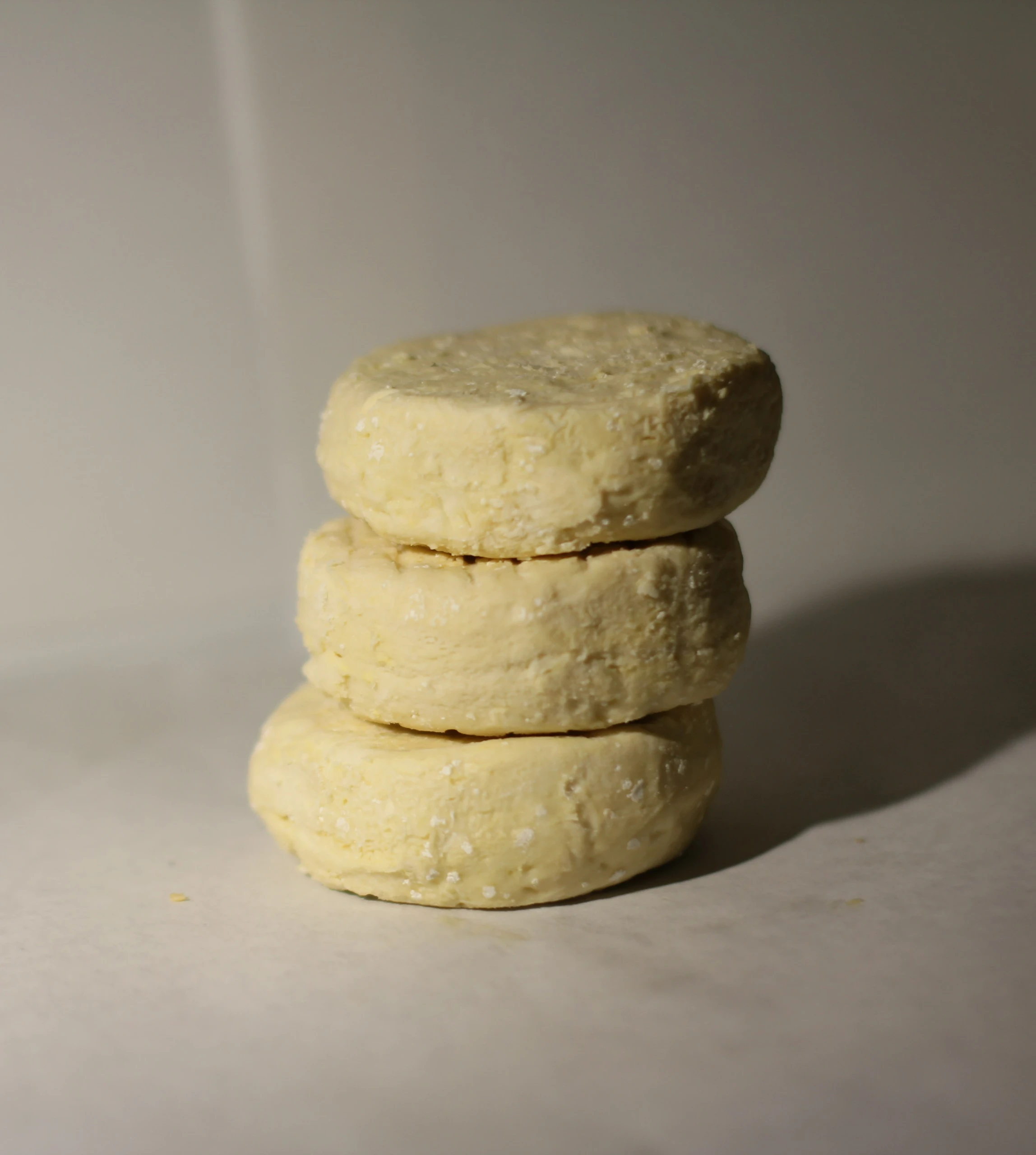
For lovers of strong character.
Goat’s cheese in every shape
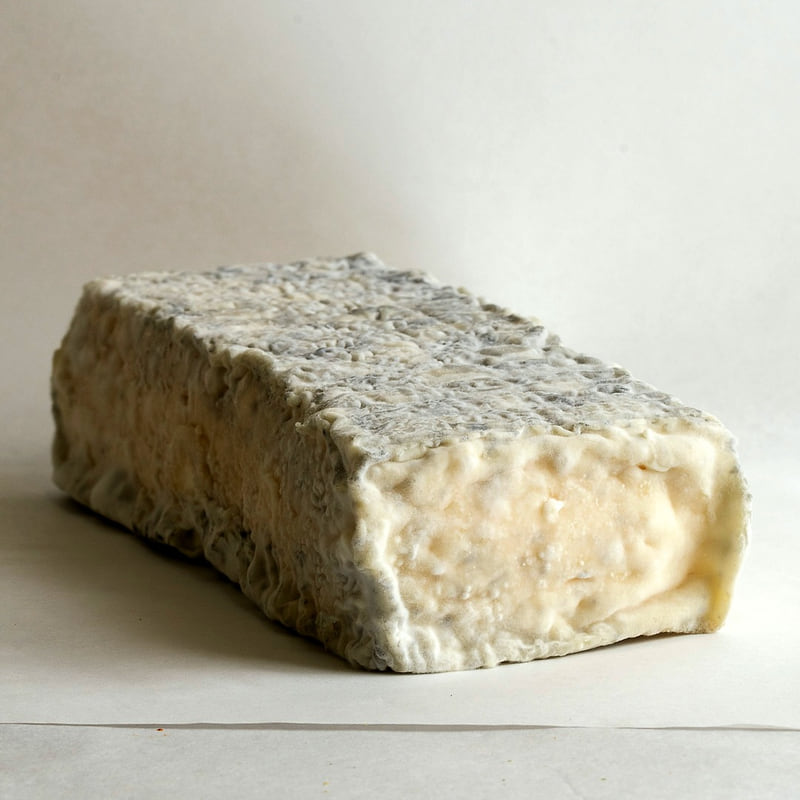
The equivalent of three ash-coated cheeses, to be cut into slices.
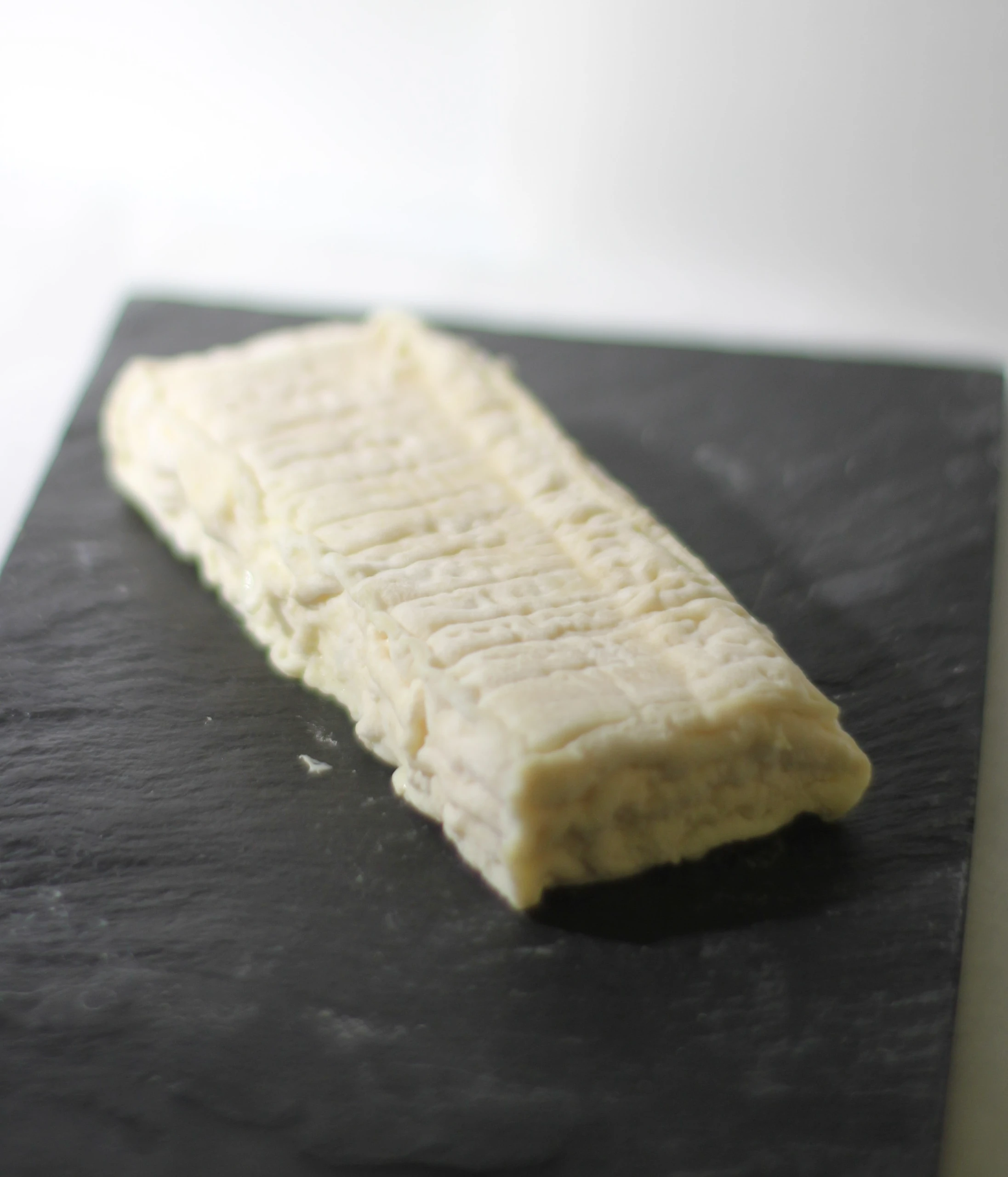
Smaller than the briquette
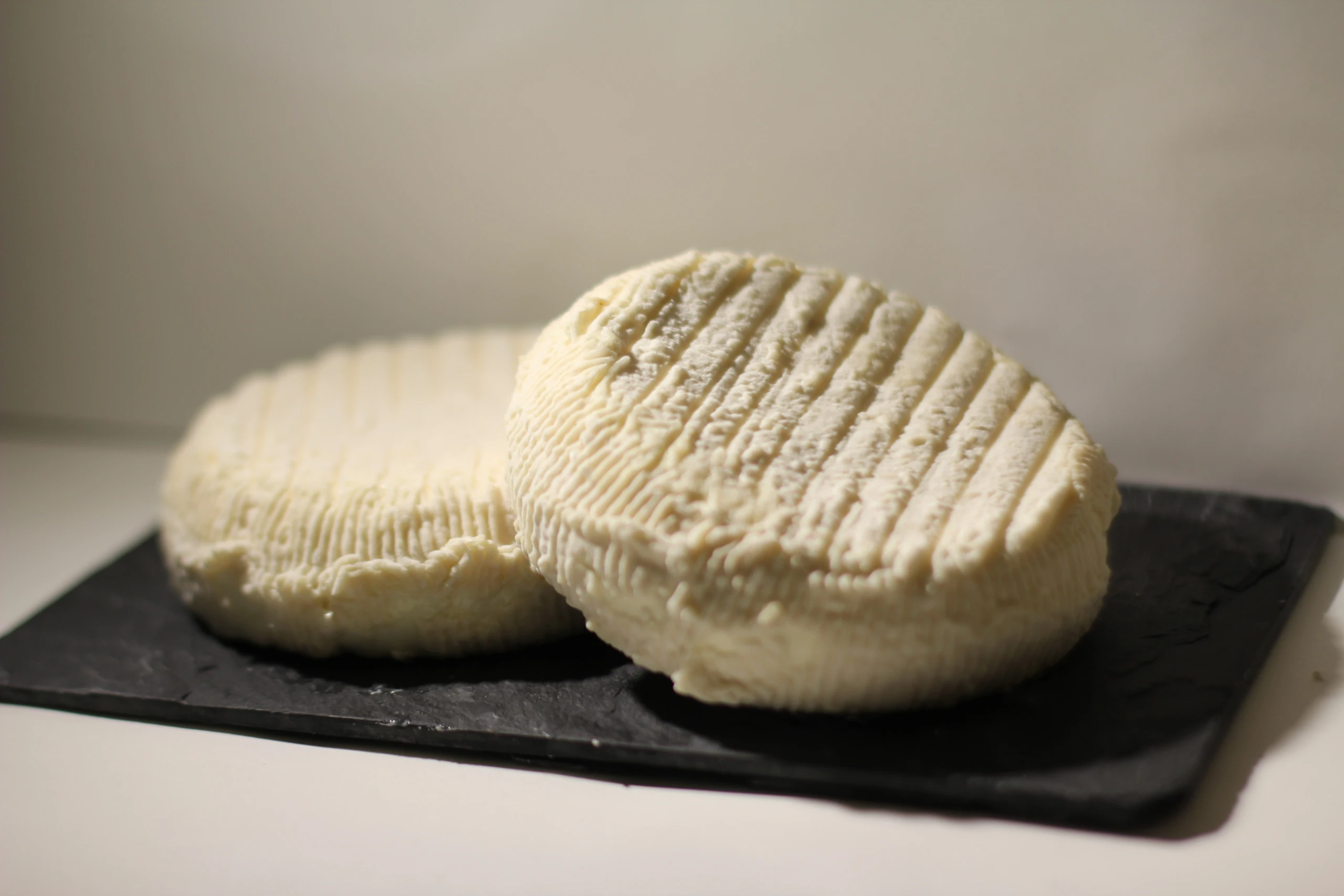
The large size for sharing, named after the lane.
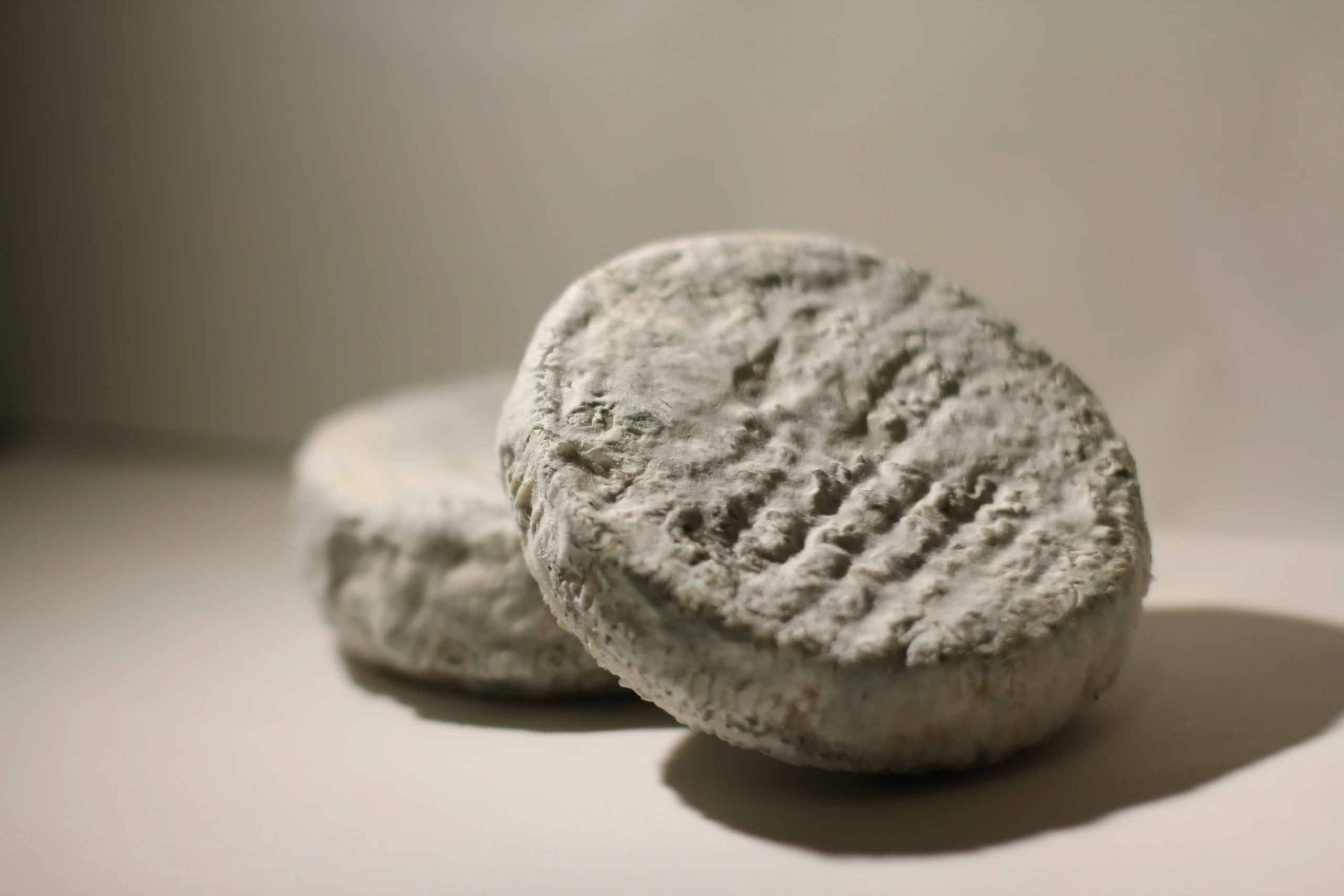
The same large size, under its ash.
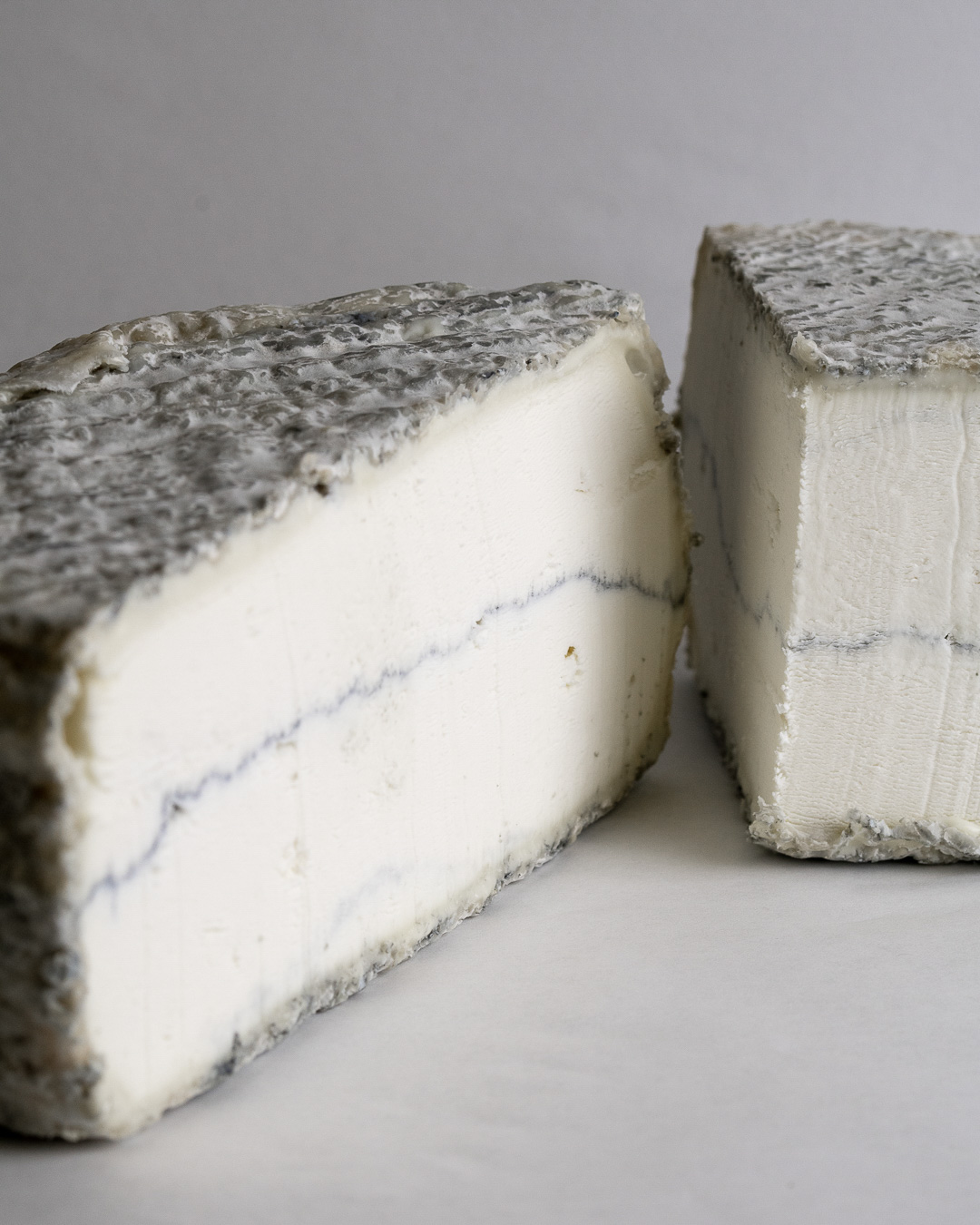
A firm paste with a grey rind, for slicing.
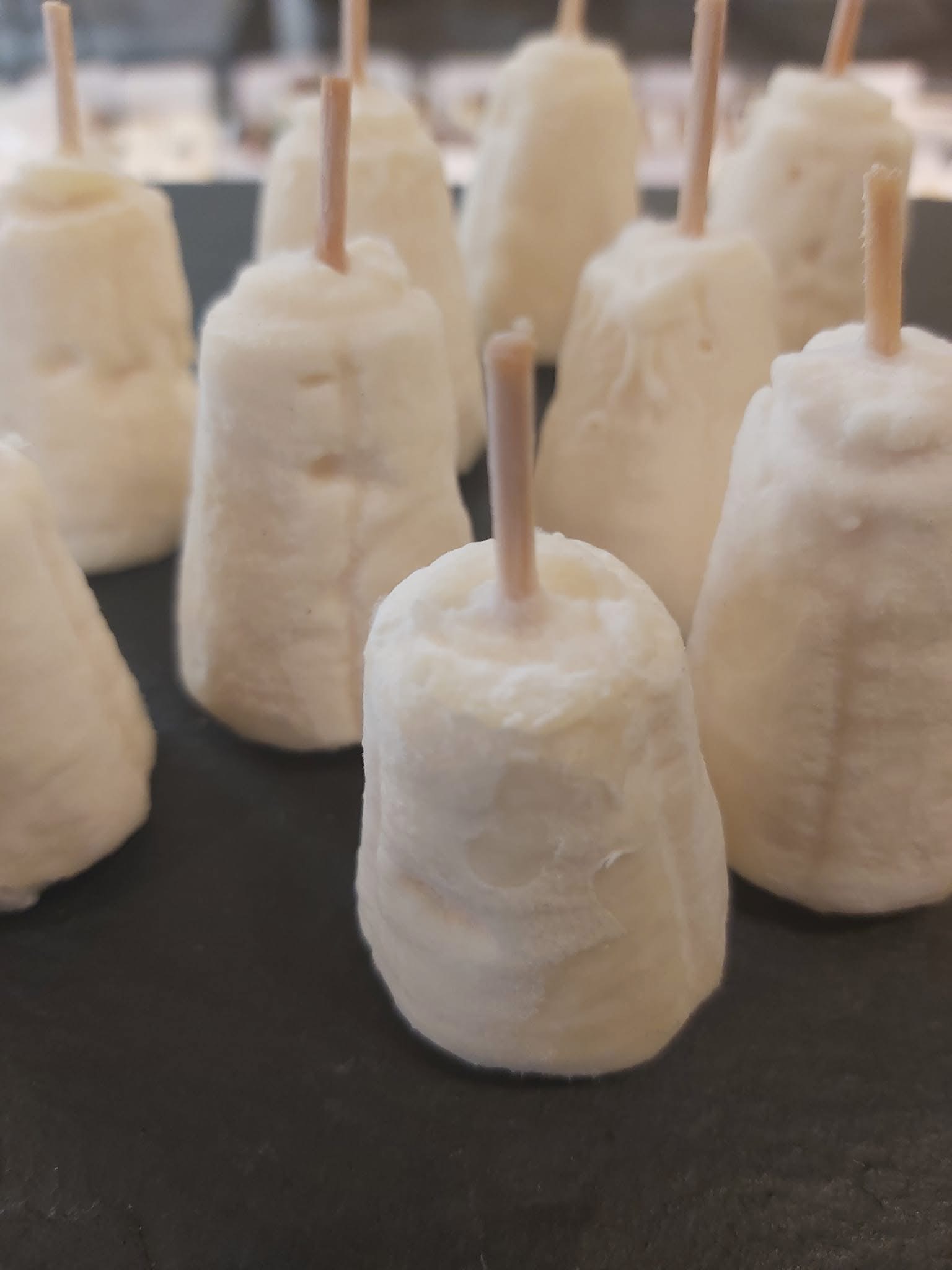
The little cheeses for drinks, sold by ten.
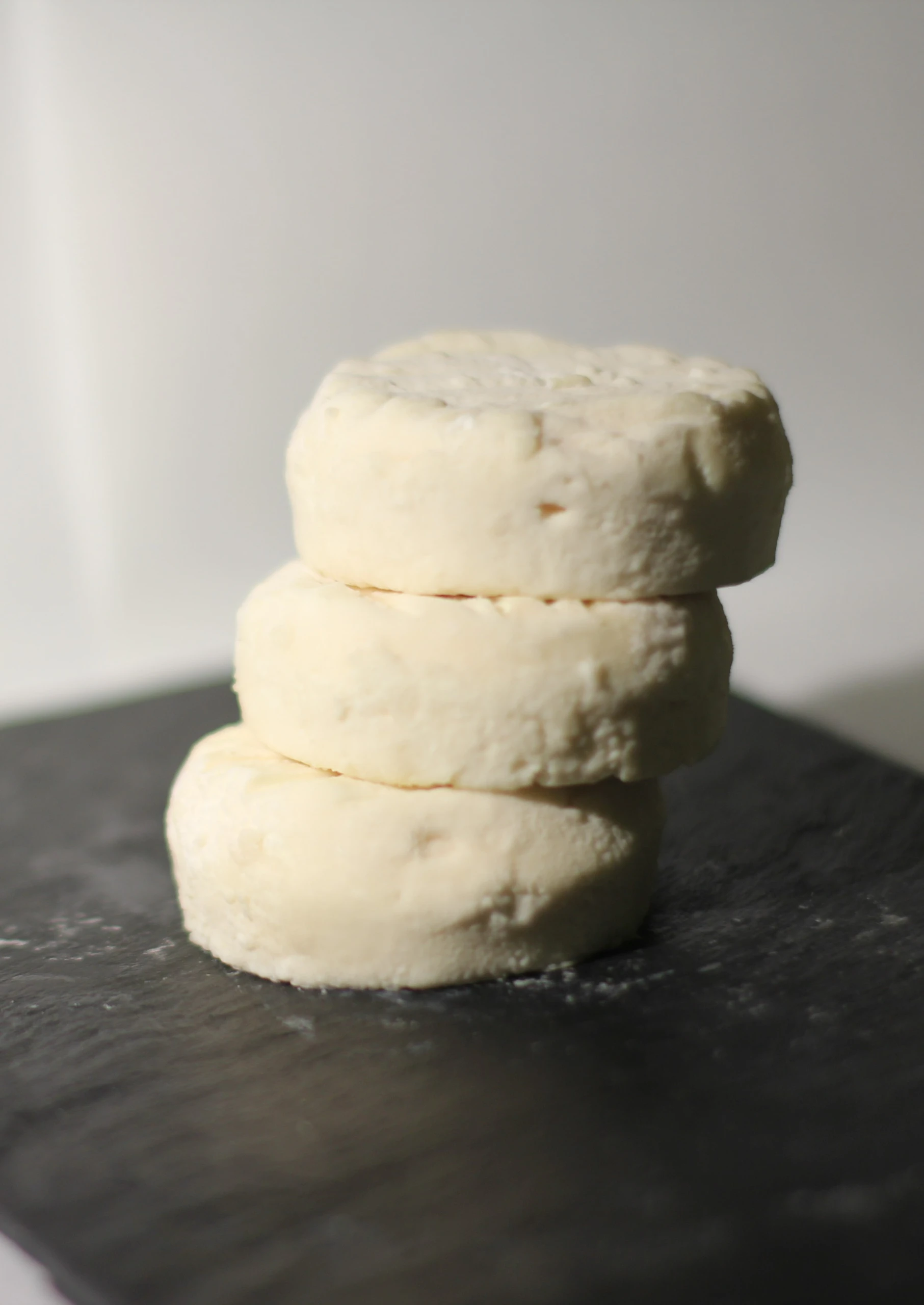
Ready to go under the grill, on a slice of bread.
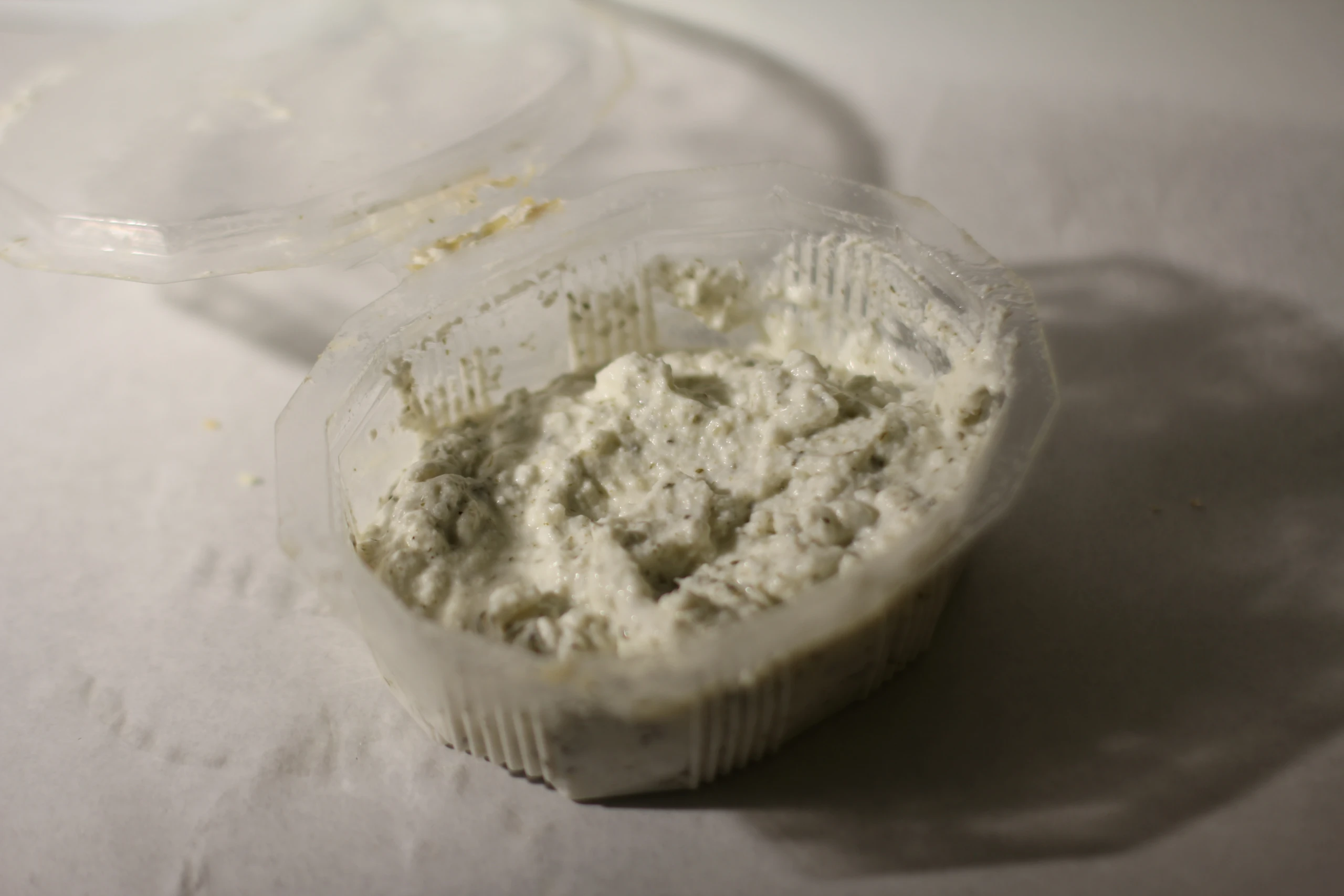
A fresh cheese worked with garlic, for spreading.
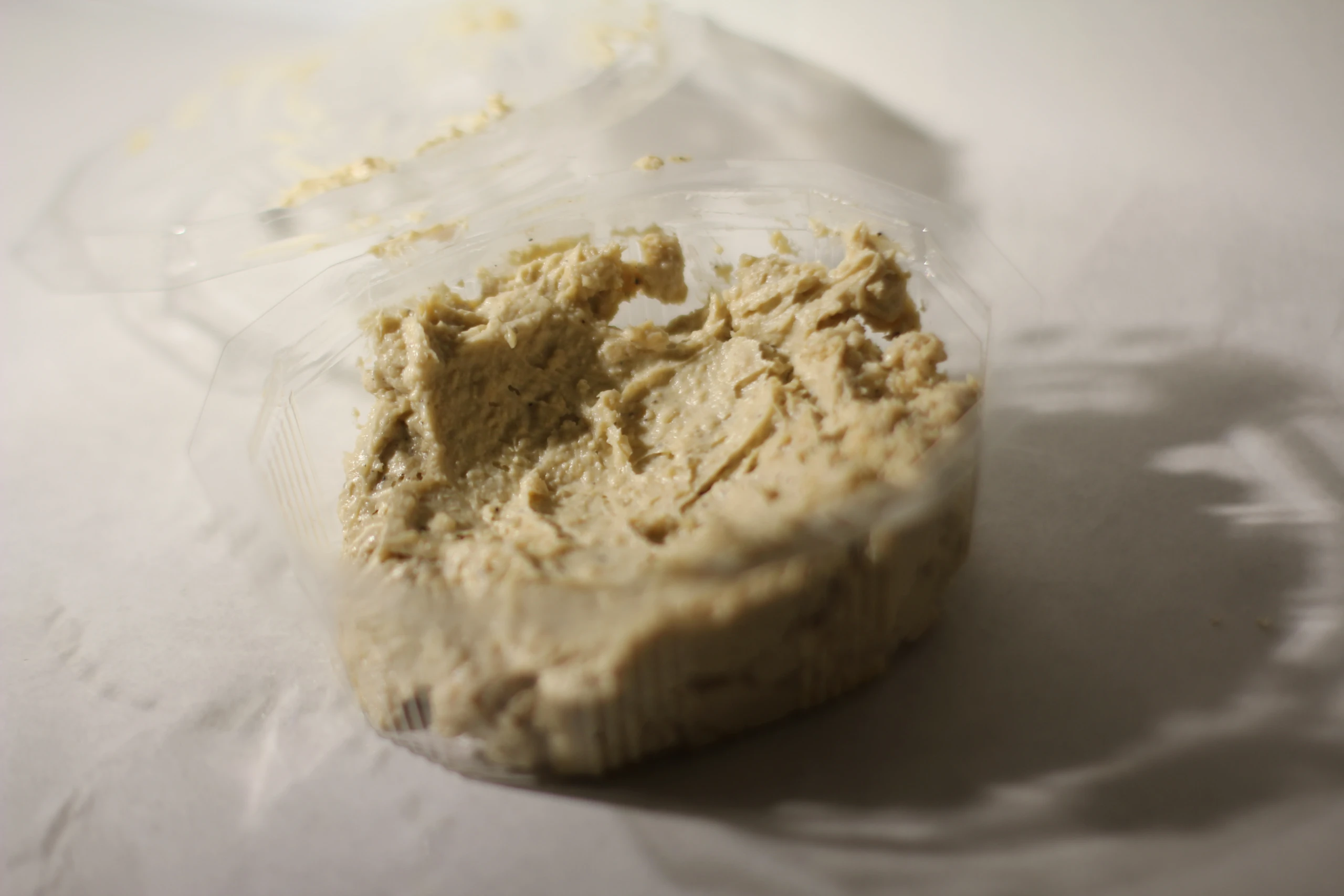
The farmhouse preparation from the Drôme, made from matured cheeses.
A fresh cheese rolled the same morning in its aromatics. The last two are preserved in olive oil.
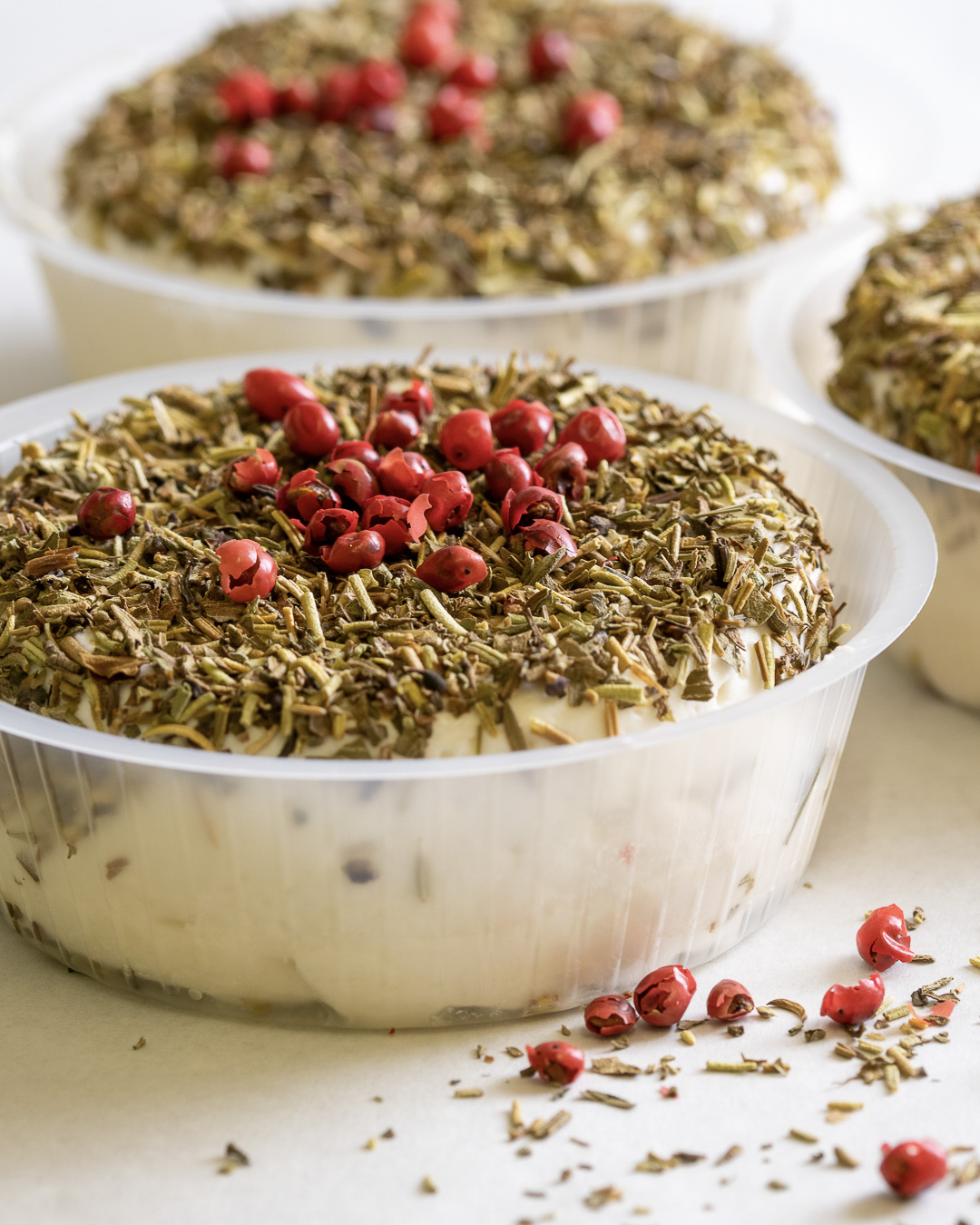
Thyme, rosemary and savory, with pink peppercorns.
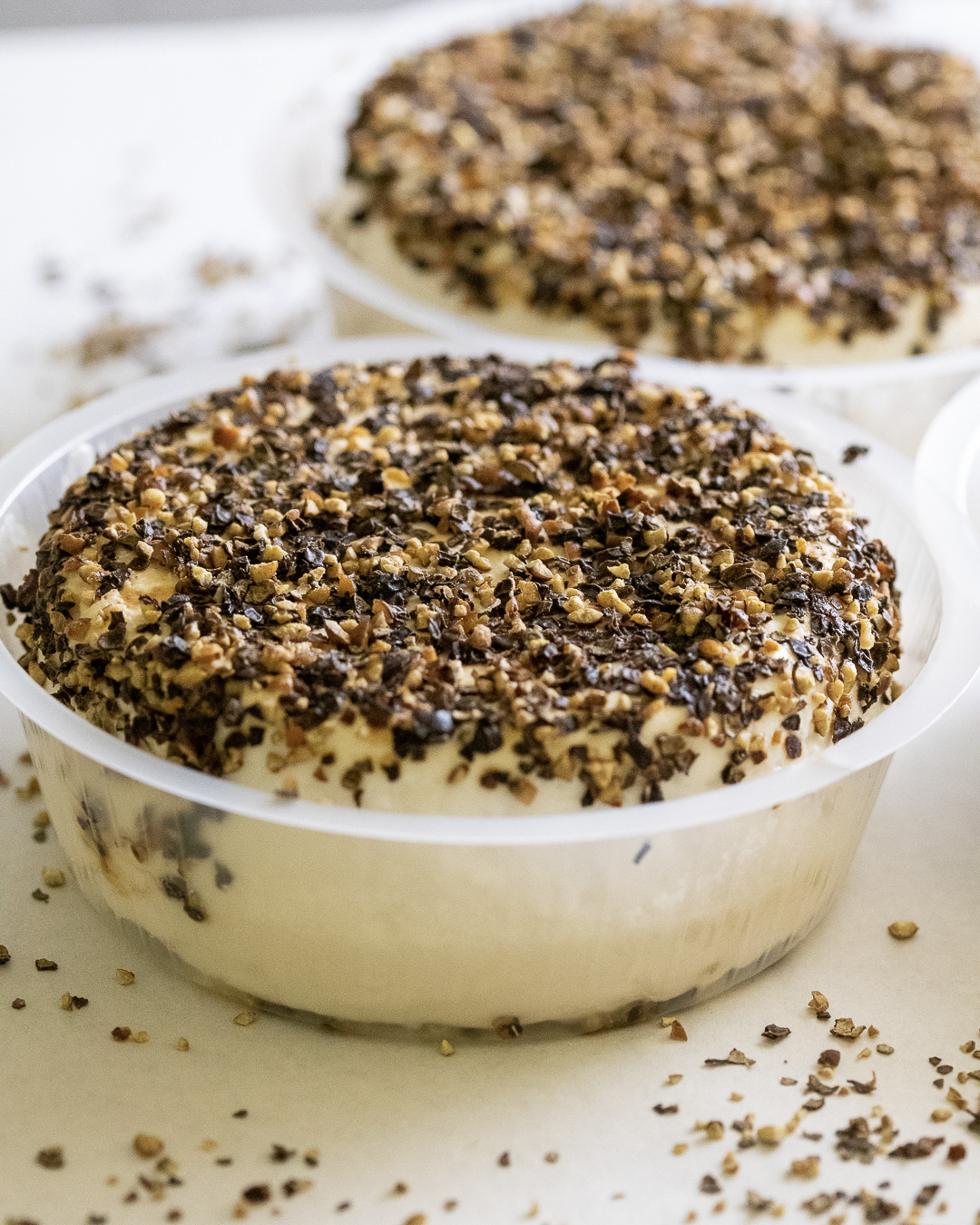
Crushed pepper over the whole surface.
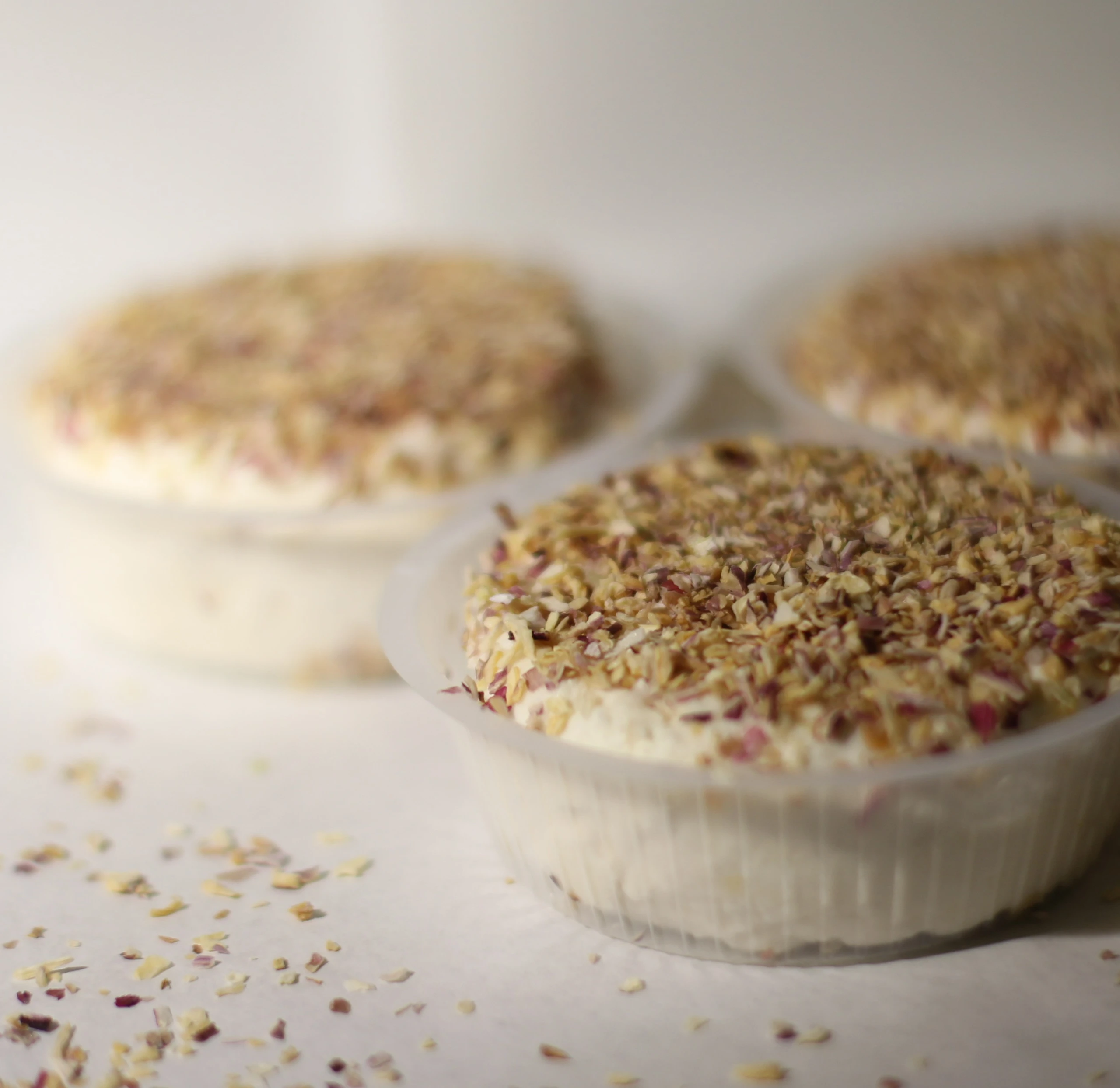
Dried shallots, finely chopped.
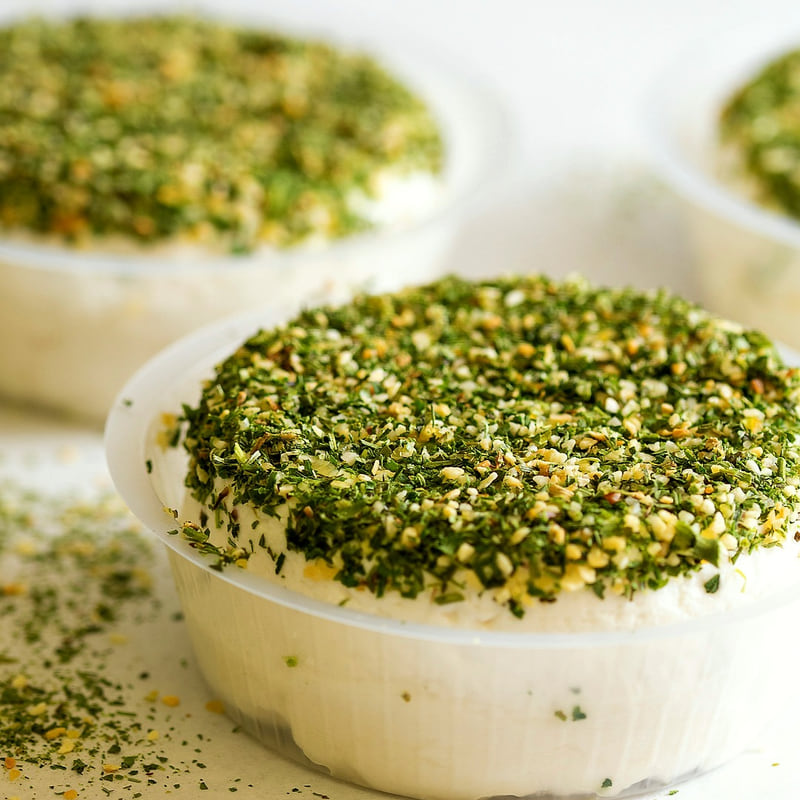
The classic, garlic and parsley.
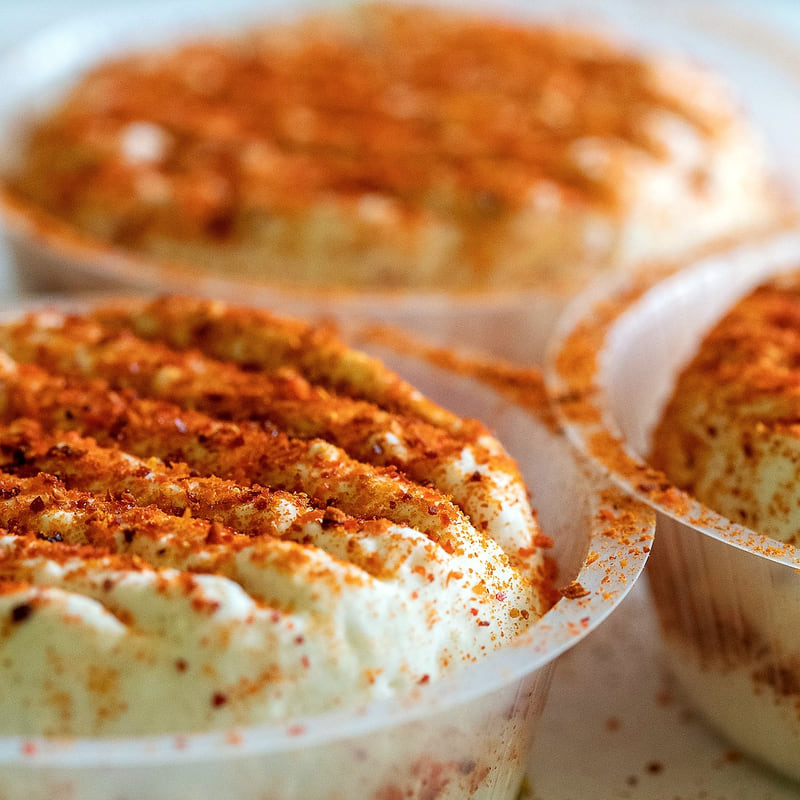
Mild and fragrant, not fiery.
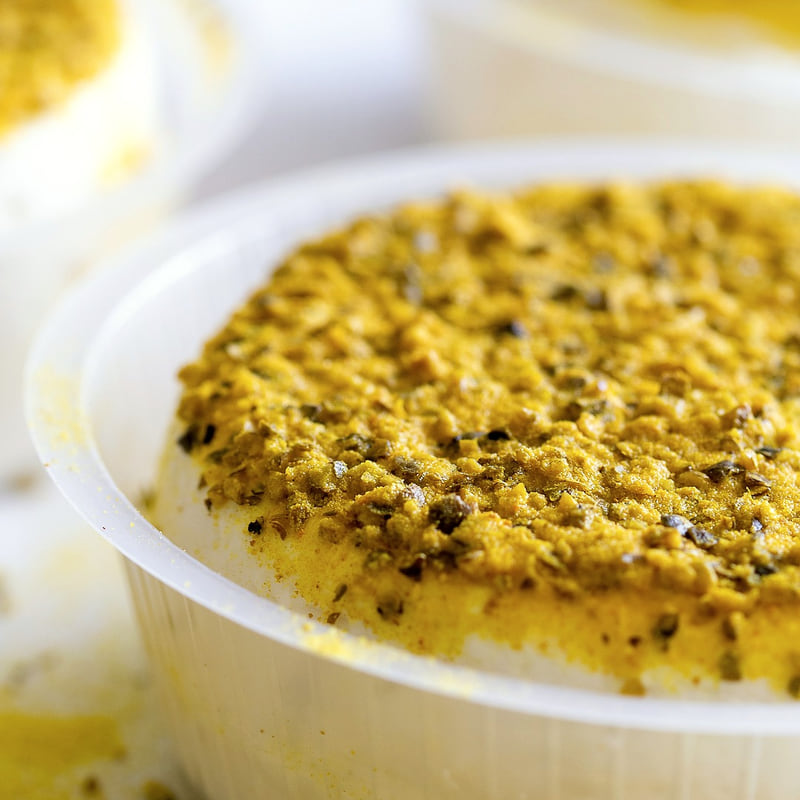
The liveliest of the range.
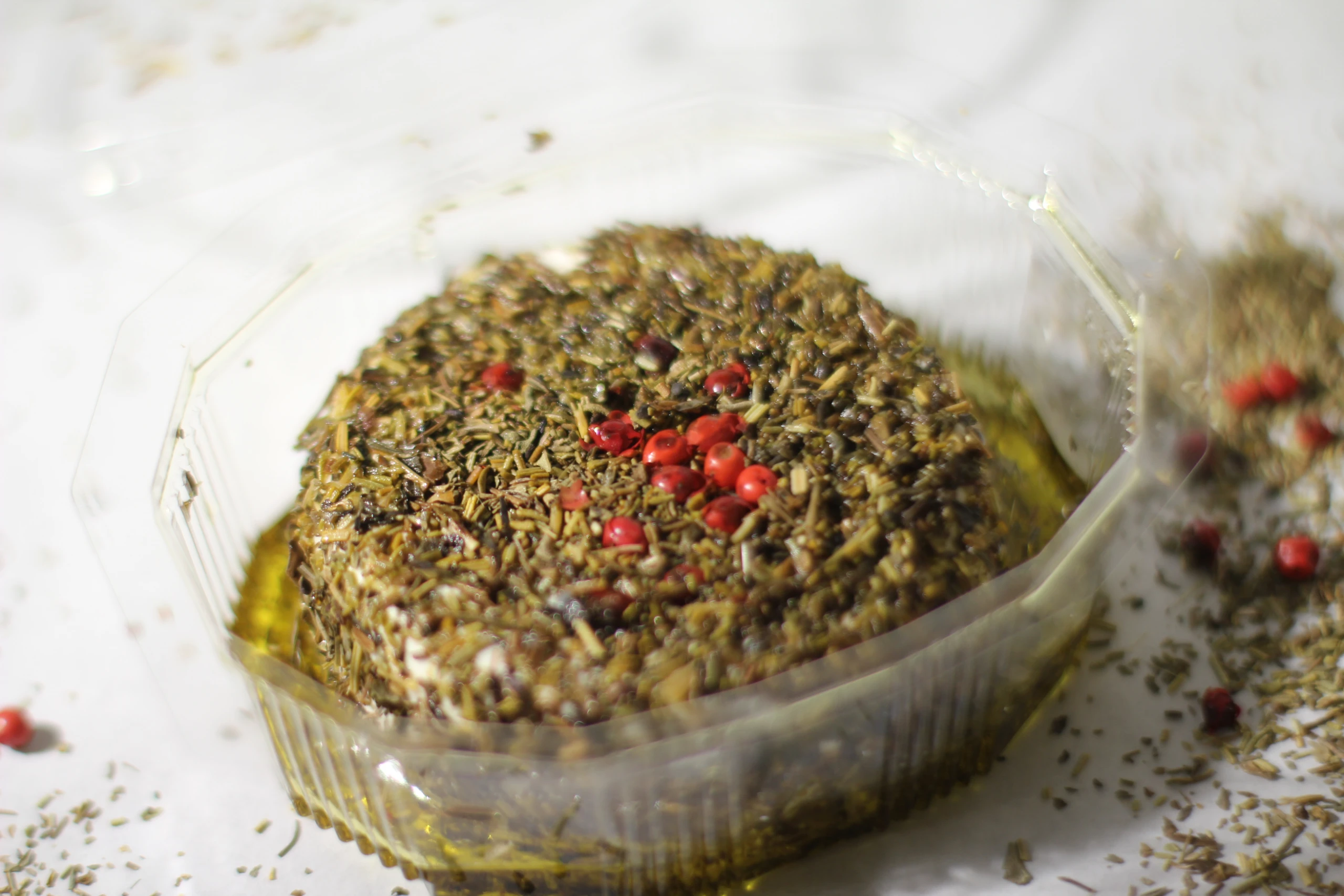
The same herbs, preserved in oil.
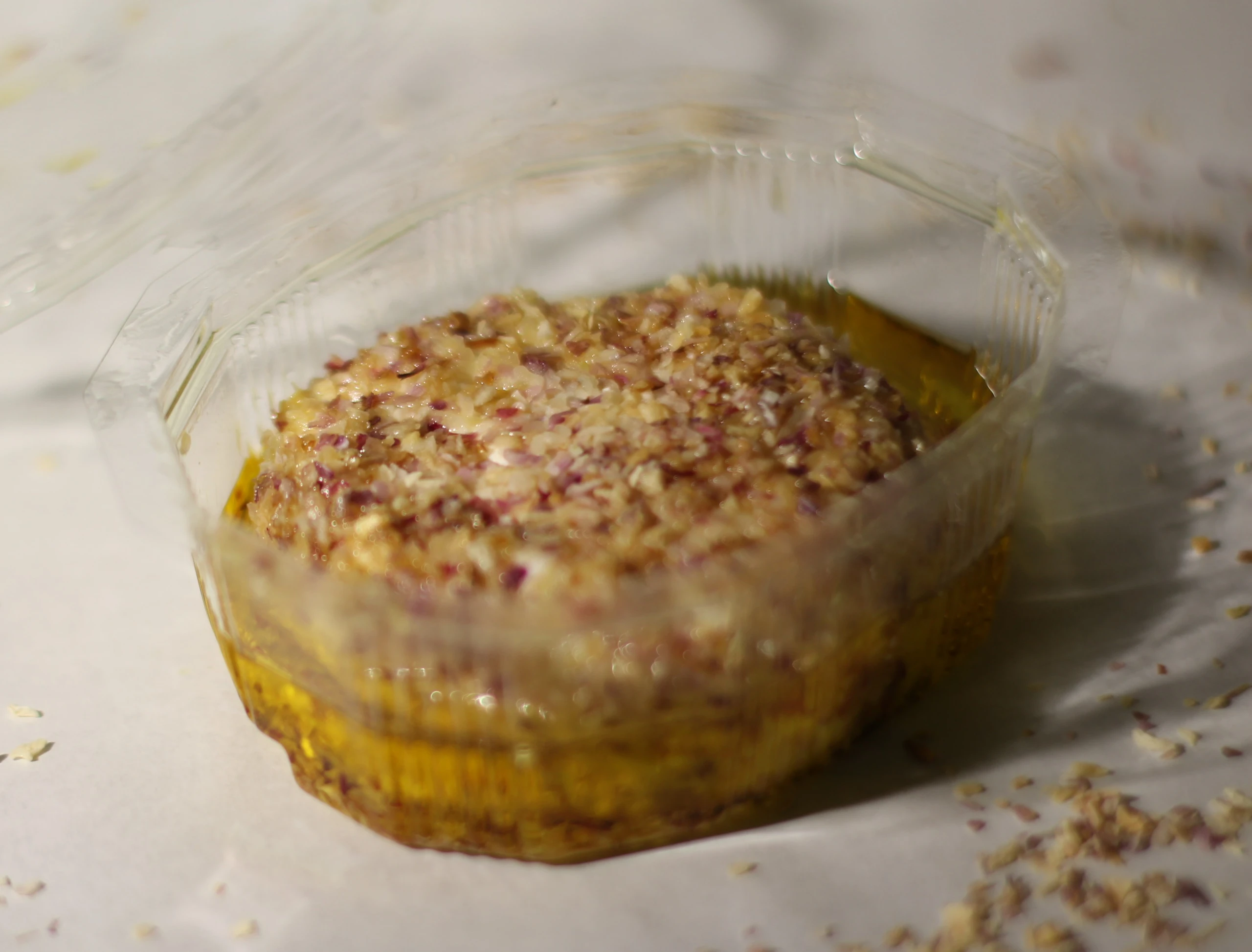
The shallots, preserved in oil.
These ones are filled at the heart: the surprise is when you cut into them.
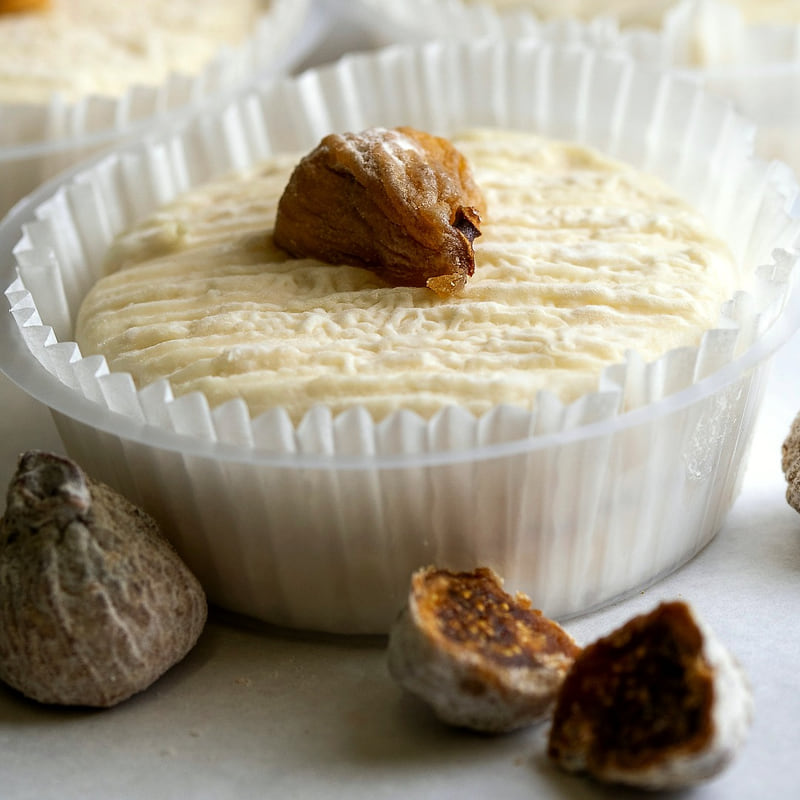
A heart of fig, under a ring of cheese.
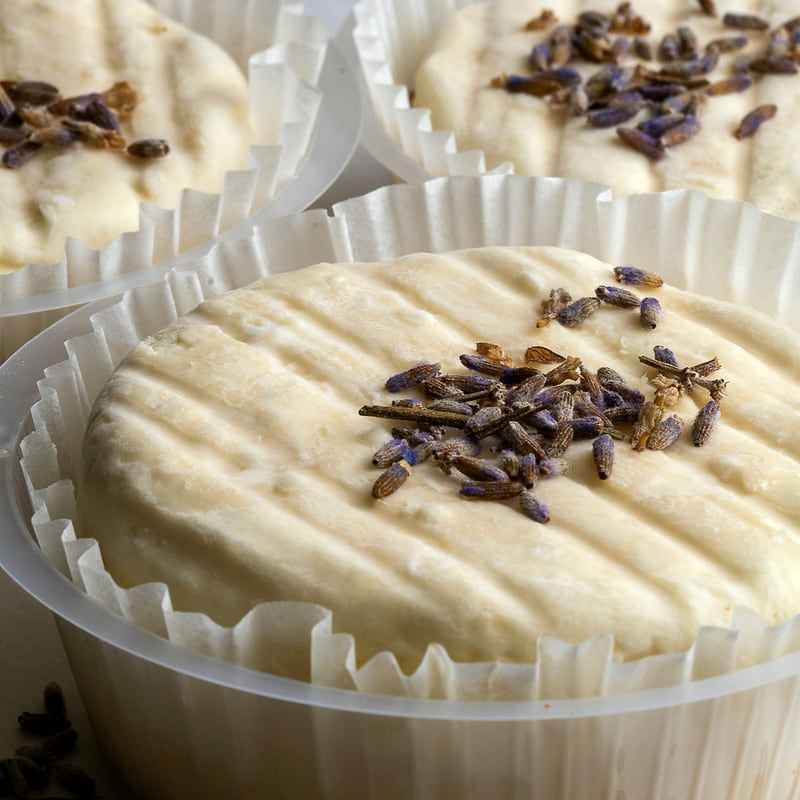
Honey and lavender flowers, the signature of the Drôme.
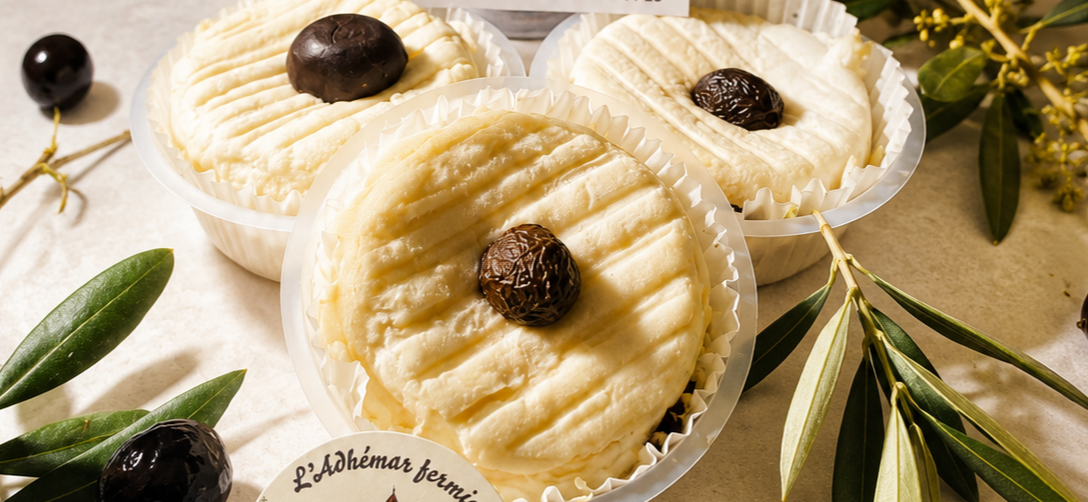
Black olive tapenade.
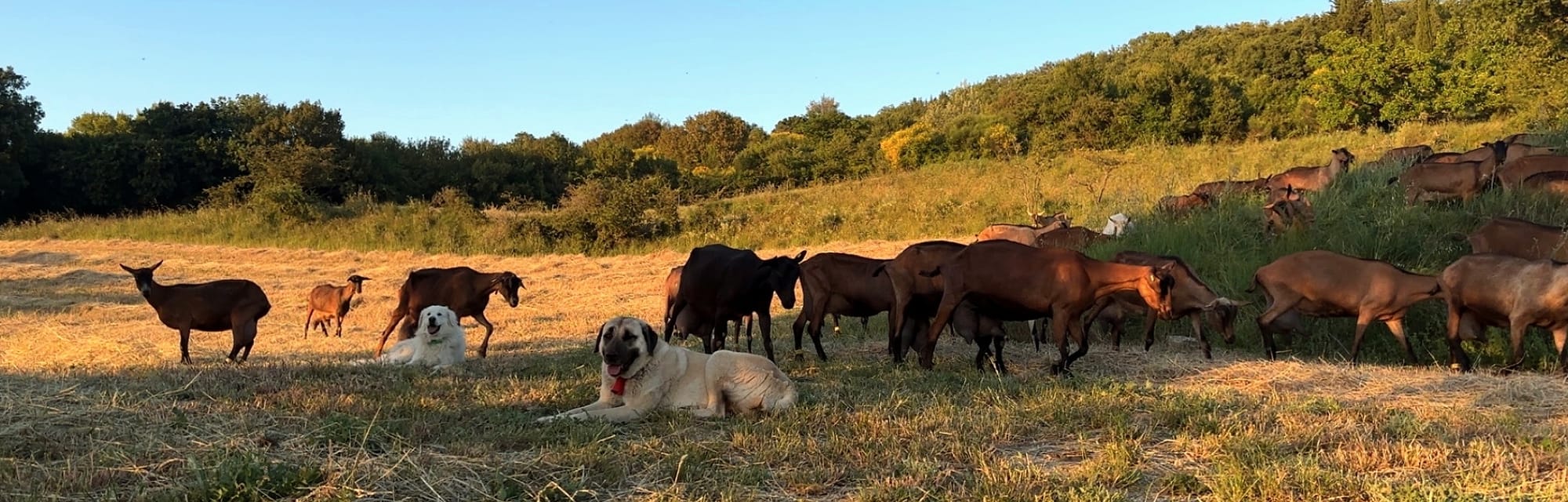
The goats go out every day of the year, and what they graze ends up in the taste of the milk.
We will tell you what is coming out of the drying room this week, and help you choose.
Wednesday to Saturday, 9am to 12 noon and 4pm to 7pm, at 397 Chemin de Fonteron.
Visit the farm shop