Our goats
Eighty chamois-coloured Alpines in milk, eighteen young does and four billy goats, all born and raised here.
80 chamois-coloured Alpines
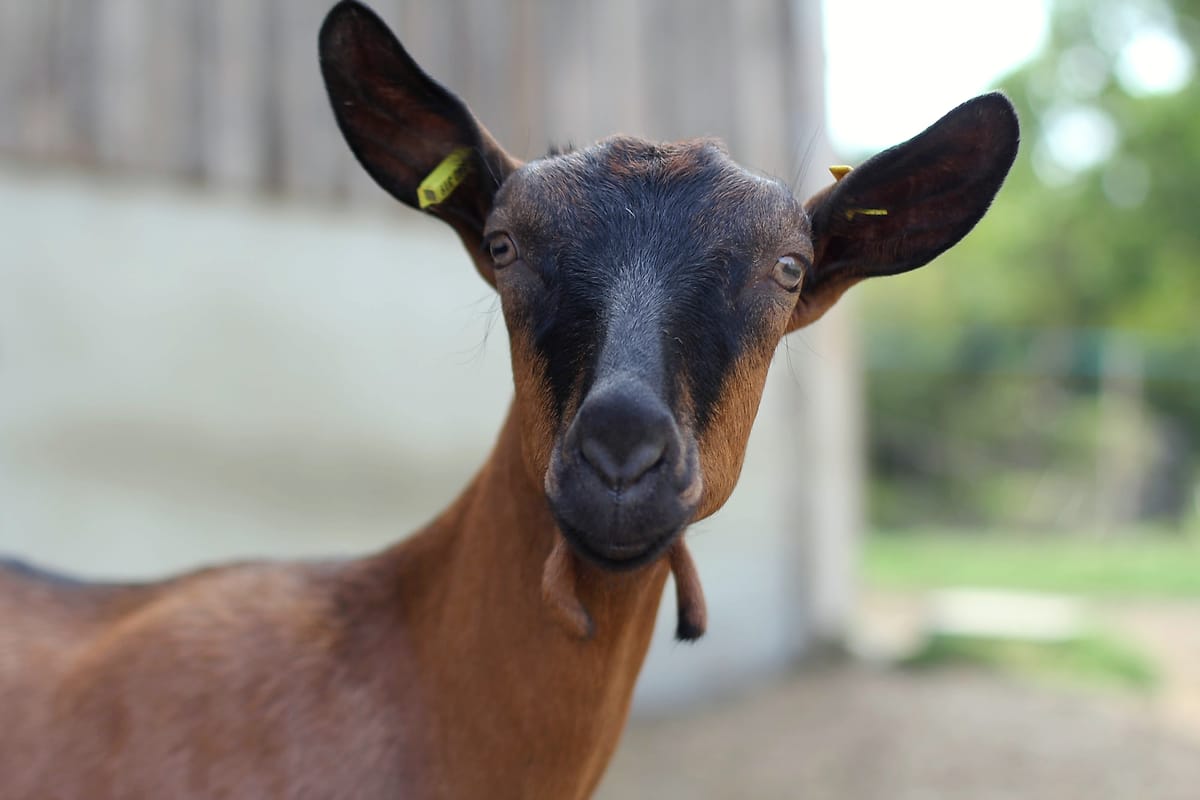
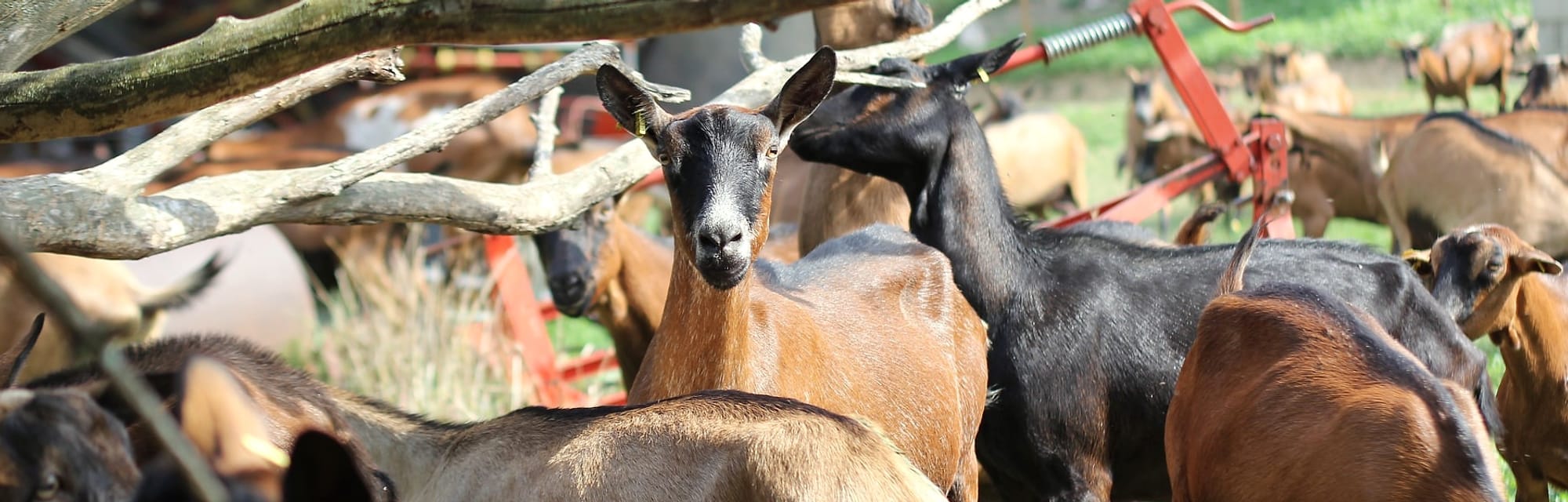
Chamois-coloured Alpines, brown coat and black dorsal stripe, which I raise with their own character: cuddly, curious, stubborn. They go out to pasture every day of the year, and what they eat ends up in the taste of the milk.
Some make themselves noticed more than others. Vaïana the queen of mischief, Bisou I’ll let you guess, Truffe my little black one, Alba miss cuddles and plenty more...
- Breed
- Chamois-coloured Alpine
- Herd
- 80 goats, 18 replacement goatlings and 4 billy goats
- Births
- 170 kids are born in February
- Pasture
- Ryegrass, sainfoin, clover, broom and other scrub, as much as they like
- FEED
- Crau hay and lucerne + pellets
- Breeding
- Natural service with our billy goats and artificial insemination
- LACTATION
- 900 L / goat / year
- CHEESE PRODUCTION
- 1,700 cheeses / goat / year
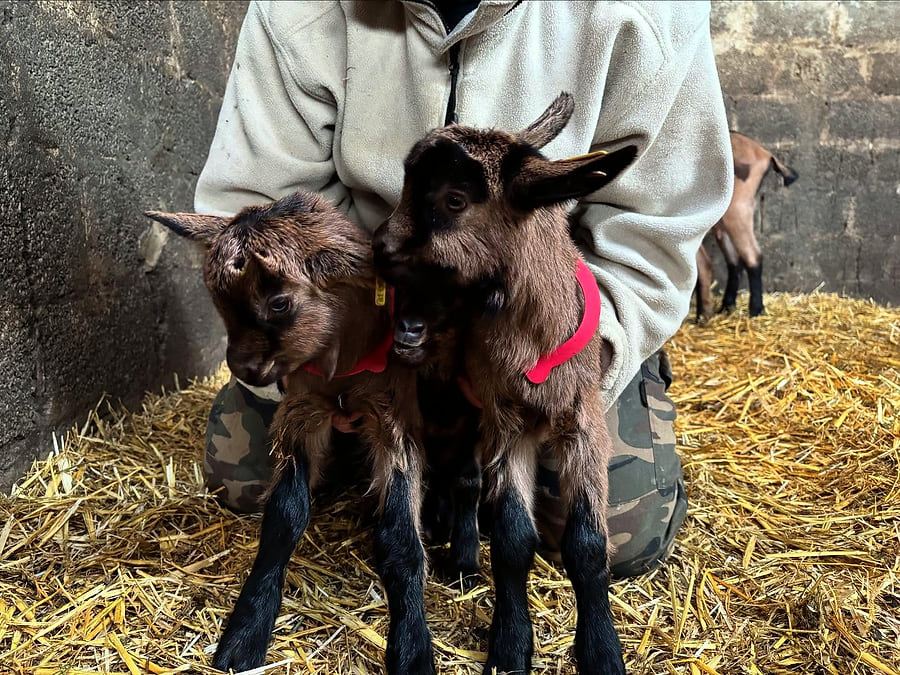
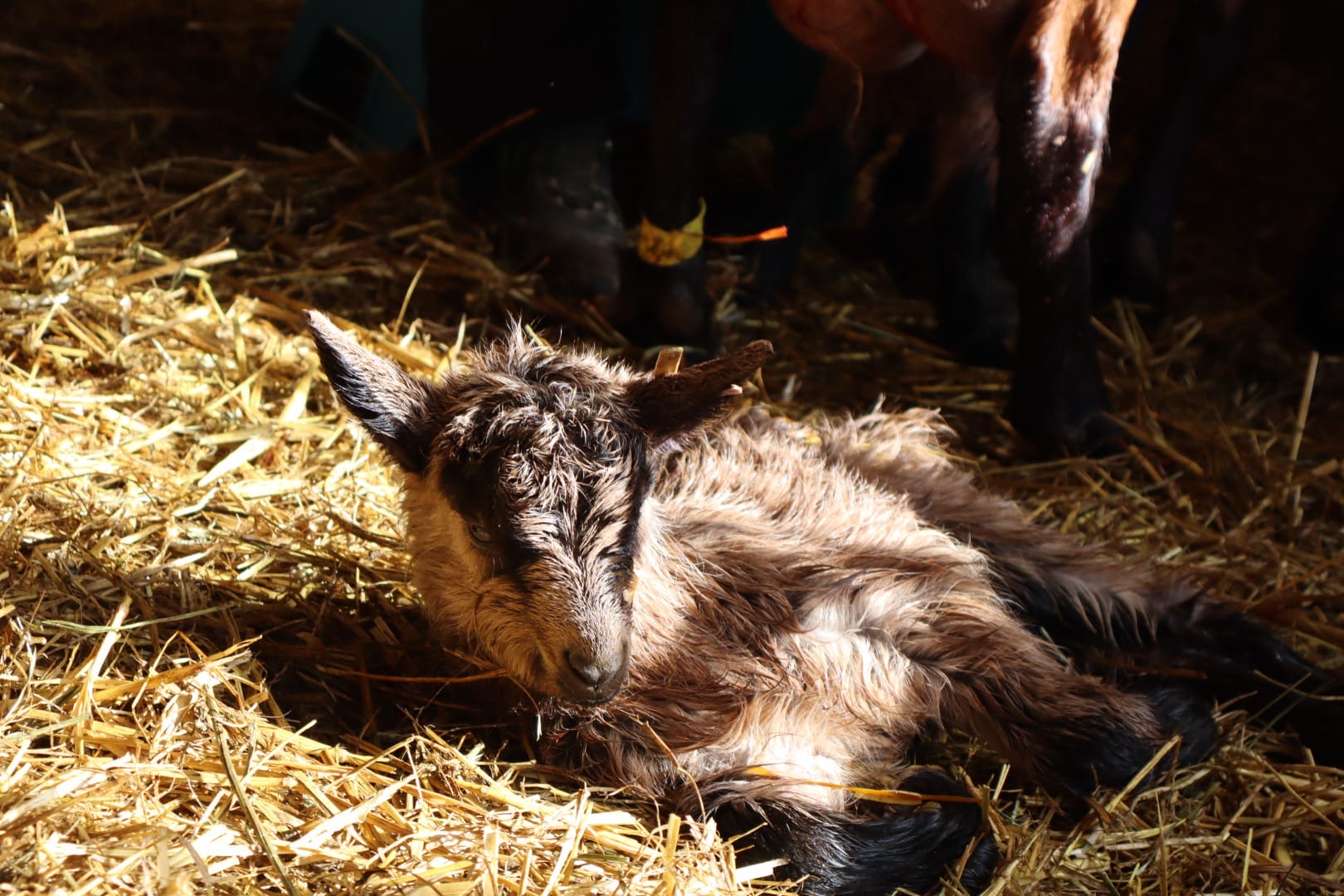
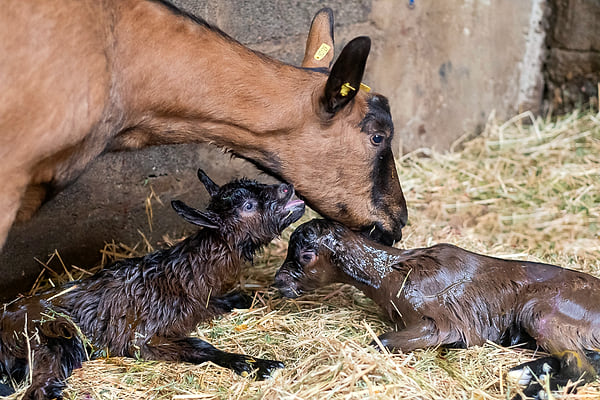
Kidding time
It all starts there. My goats kid in January and February, and the rest of the year follows.
They give birth to 170 kids in the space of a few weeks, in the goat house, on the straw and in the middle of the herd. It is the busiest stretch of the season, and the finest.
Milking starts again straight away, the dairy gets going and the shop reopens towards the end of February. The young does I keep for replacement move to the nursery pen: they will learn the milking parlour the following winter, and one day take their mothers’ place.
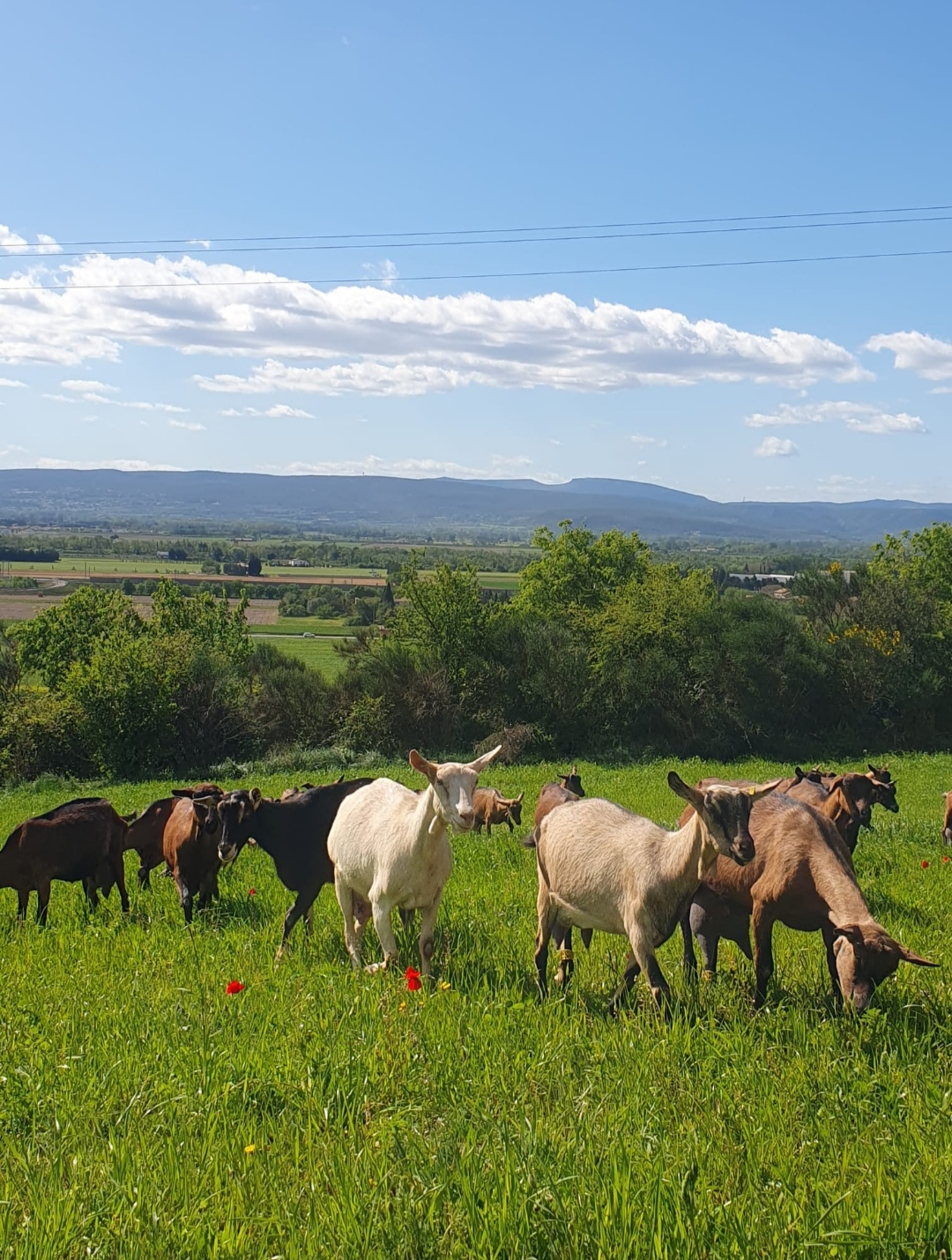
Out at pasture every day, except when it rains
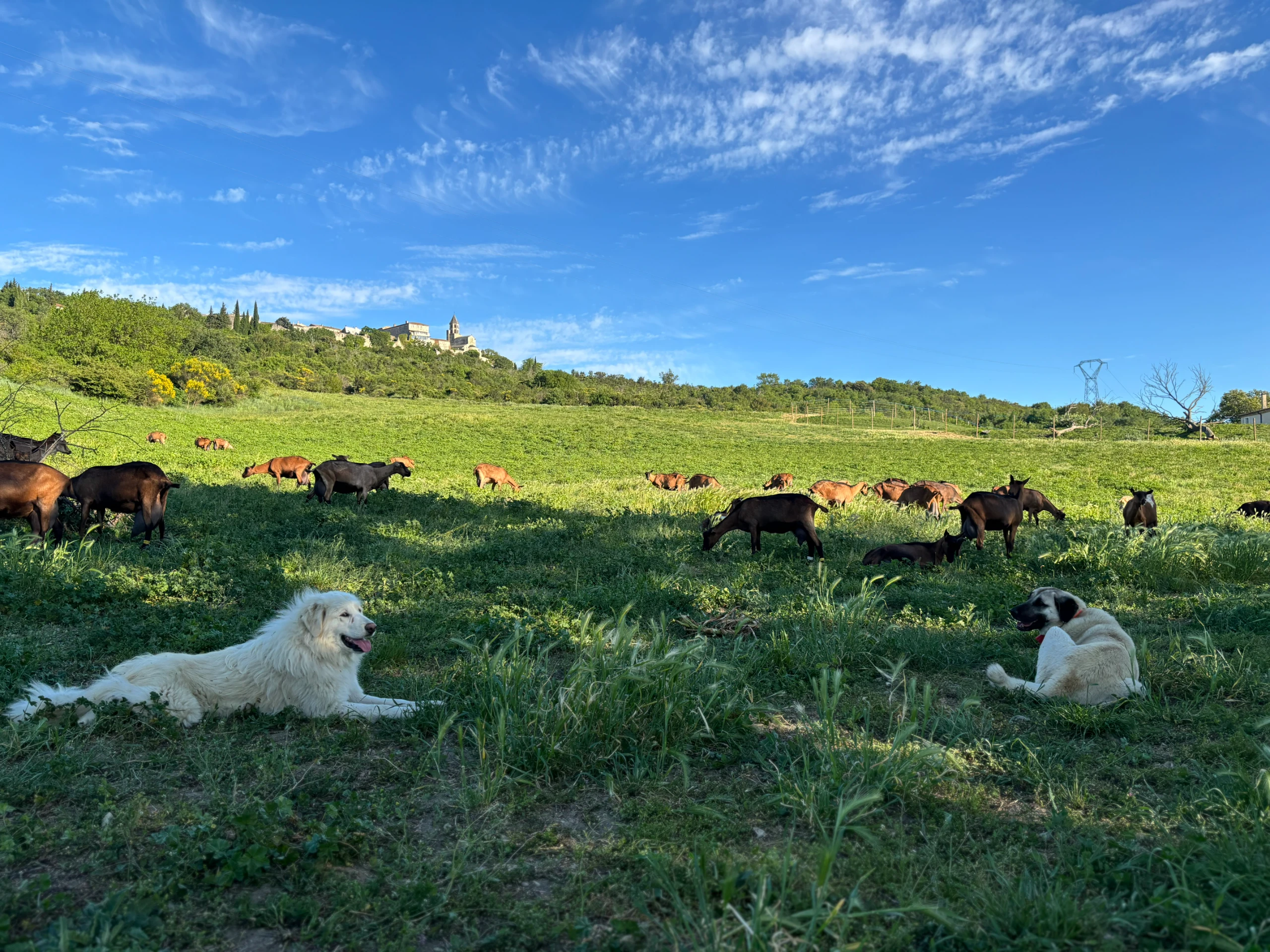
My goats go out every day of the year. The only thing that keeps them under cover is the rain.
They graze in the fields around the farm, between the garrigue and the crops. What they find there changes with the seasons: grass in spring, shrubs and leaves once summer has dried out the meadows. That is what makes the taste of the milk vary from one month to the next, and so the taste of the cheeses too.
Since the wolf has been roaming the commune, we have had to invest in a fence worthy of a concentration camp. Two guard dogs have also been integrated into the herd.
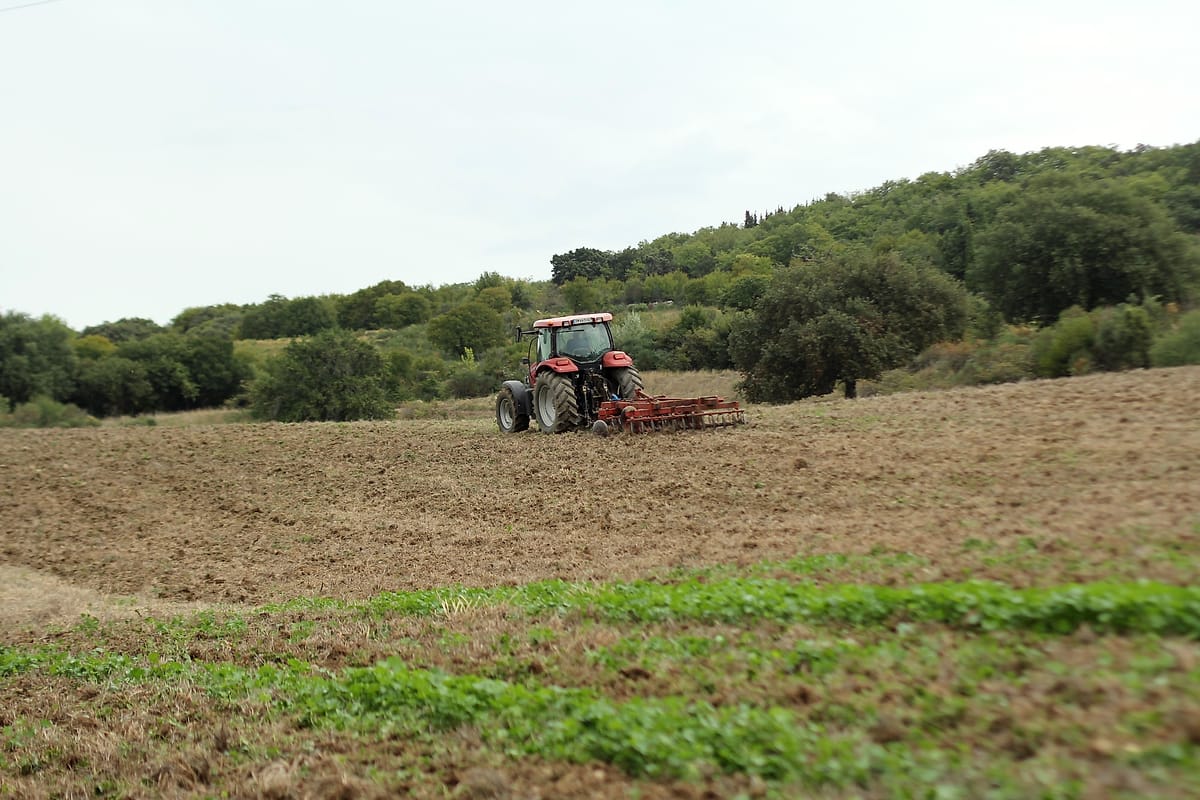
Our fields are sown by ourselves
In spring the goats graze ryegrass and sainfoin. To avoid waste, the rest is cut and dried on the farm in May.
A goat’s year
A goat lives her year in four stages. Kidding in February, then lactation, which starts straight afterwards and lasts until the end of November. Mating in September, followed by the dry period, that winter maternity leave.
- FebruaryLactation begins, after the first births.
- MarchPeak lactation
- SeptemberBreeding season
- Late NovemberThe dry period = the start of the holidays, except for me
The detail of each month can be read along the curve. The three low months are the dry period, when they no longer give milk. The line shows the shape of the year, it is not a monthly record.
Listen to the radio feature
In June 2024, ici Drôme Ardèche came to record on the farm.
A loyal customer already in the days of the previous owners, the new generation delivers! (translated from the French)
Google review, visit in June 2026
“Circuits courts en Drôme Ardèche” (short supply chains), ici Drôme Ardèche, 10 June 2024, 5 min, in French. Read the article
A day on the farm
The shop opens at 9am, but our day starts well before that. Here it is, from daybreak to closing time at the shop, and sometimes beyond.
- From 6.30am
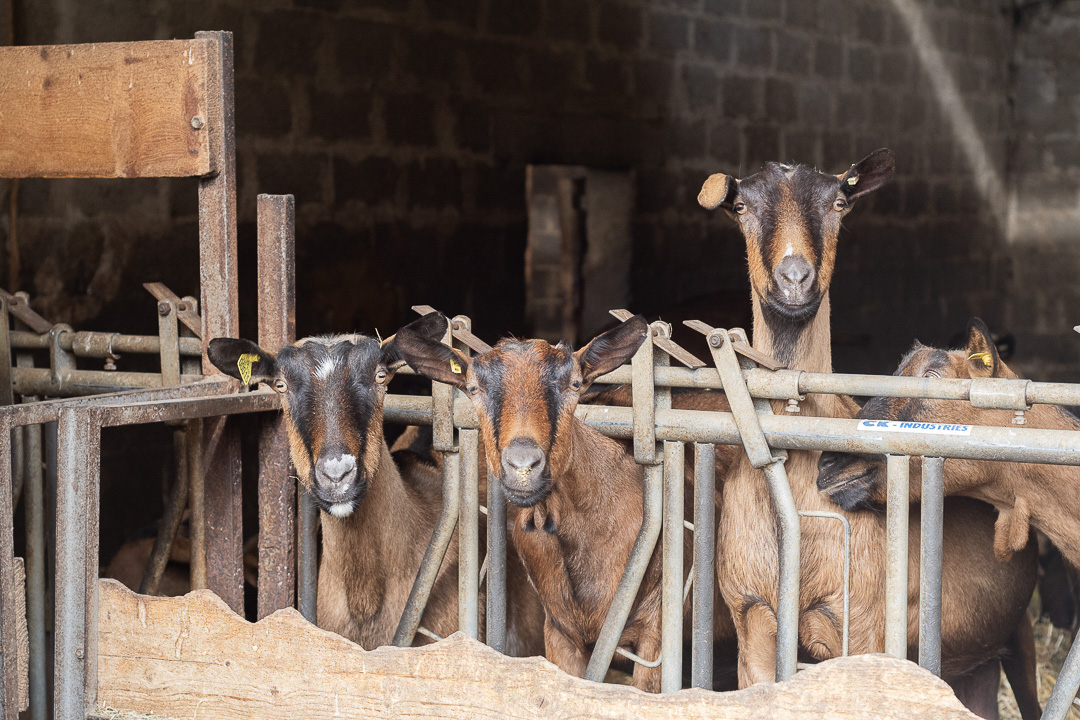
The goats
Feeding every mouth + getting the milking parlour ready
- 8am
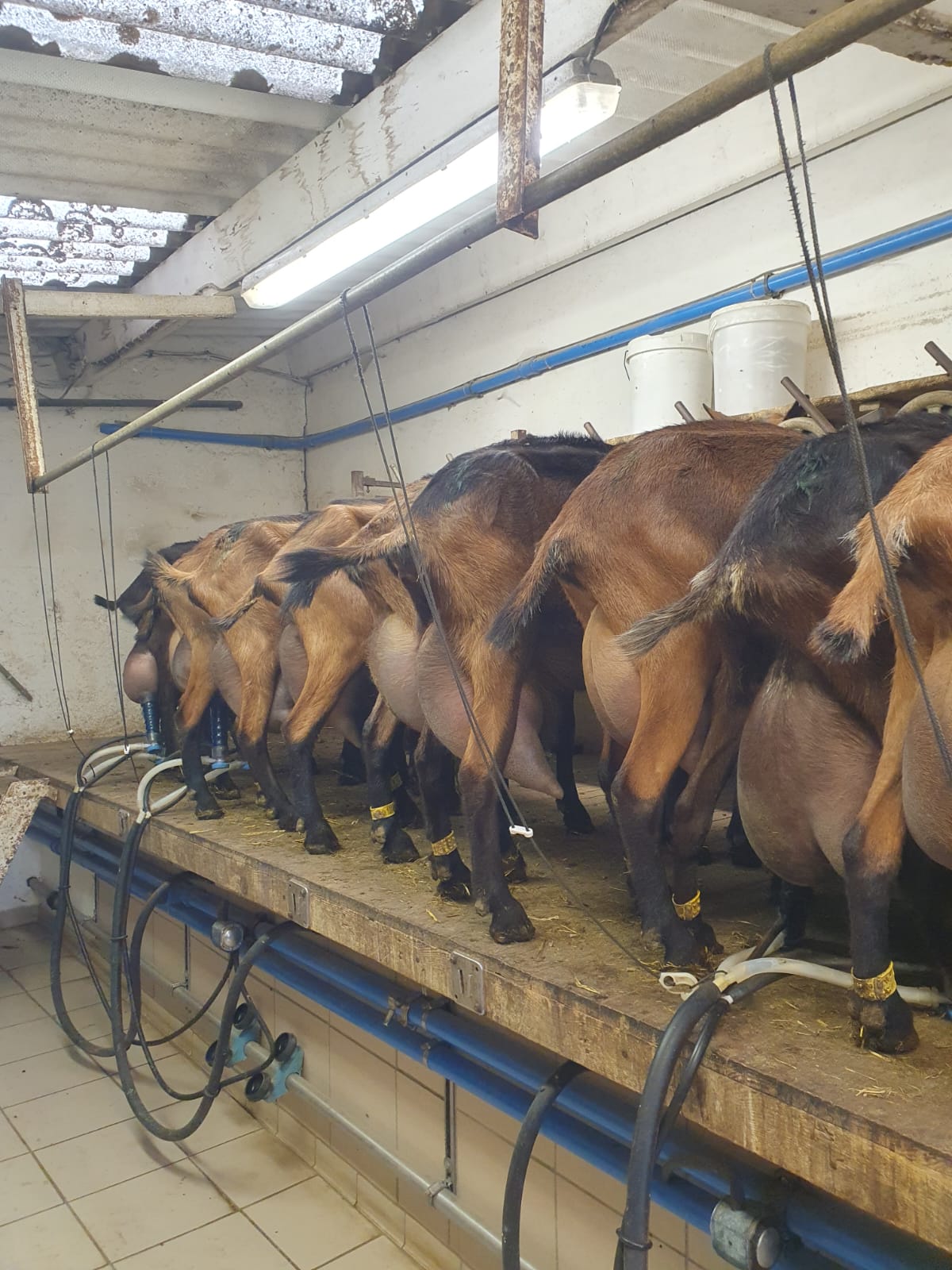
Milking
In the milking parlour, the goats come up 18 at a time and 10 are milked at once.
- Meanwhile
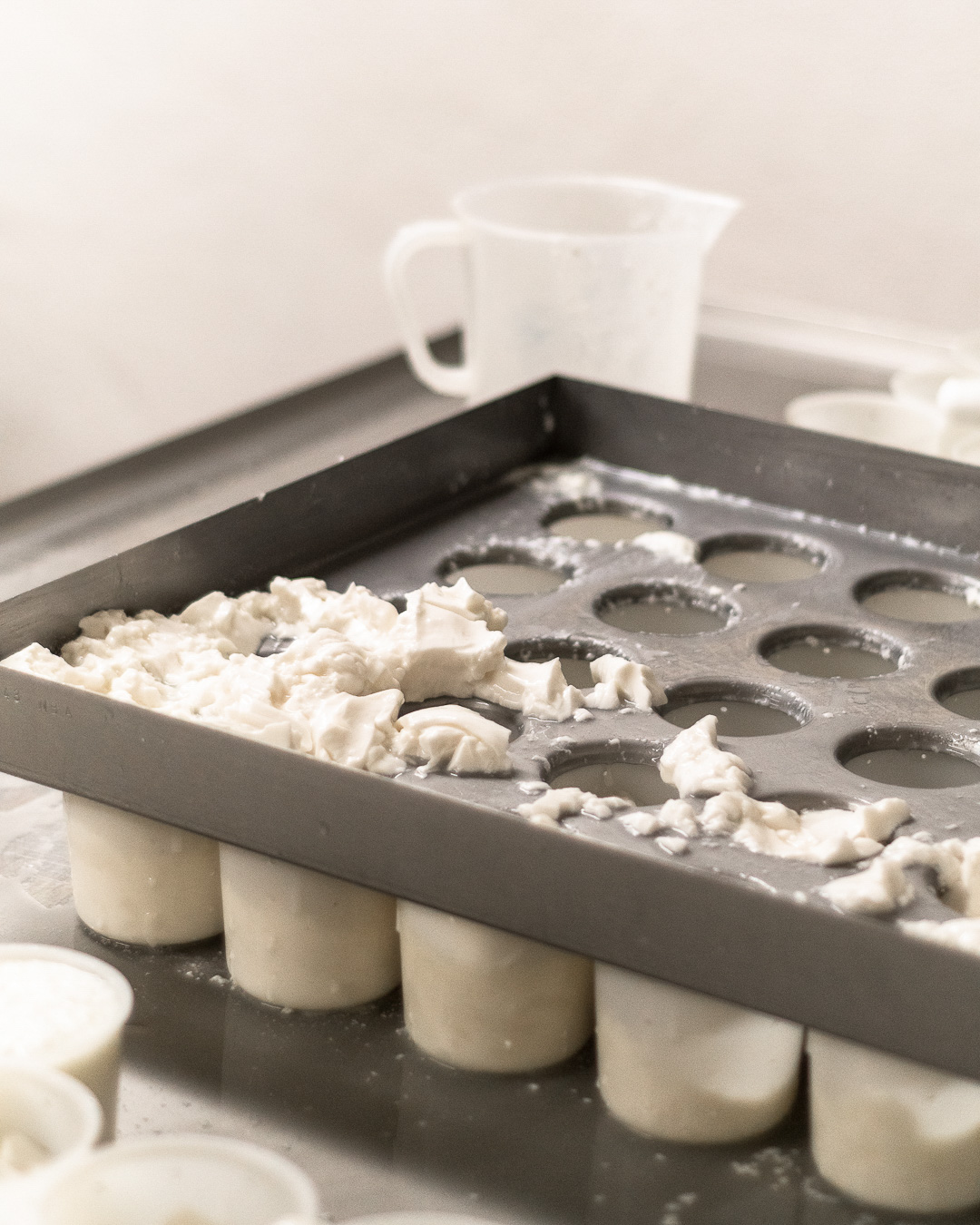
The dairy
We turn out yesterday’s cheeses, mould today’s, and turn everything that is maturing in the drying room and the maturing room.
- 9am to 12 noon
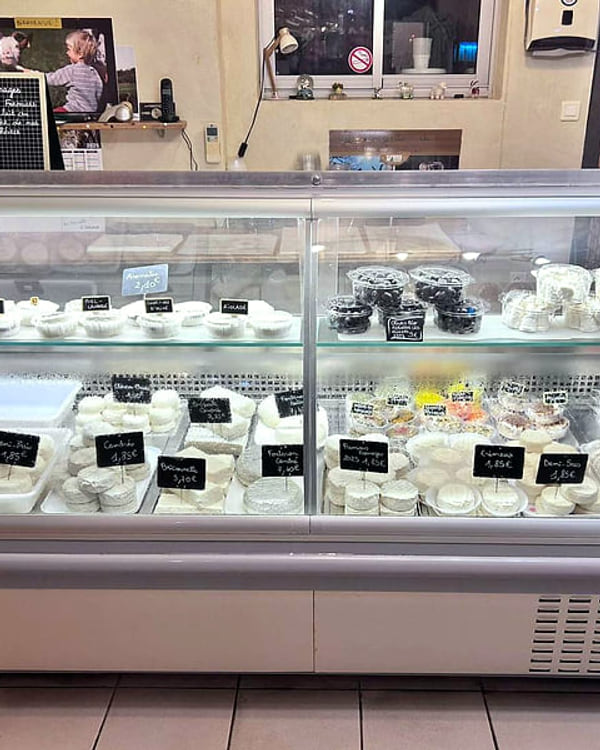
The farm shop
We welcome you, advise you and sell you excellent products.
- After milking
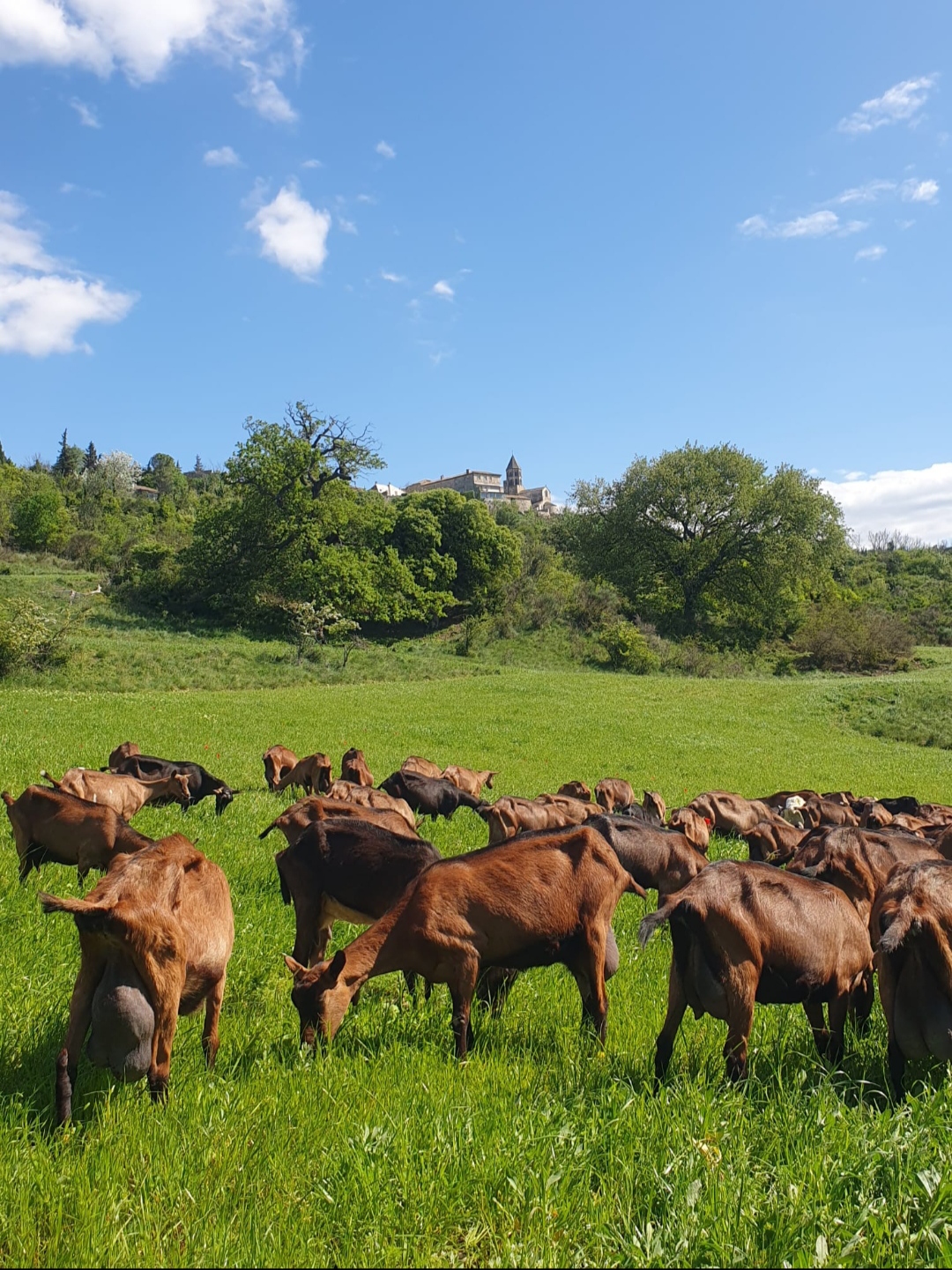
Grazing
The goats go out every day after milking, closely followed by our two guard dogs. Grazing gives quality milk and flavours that vary with the seasons.
- 4pm to 7pm
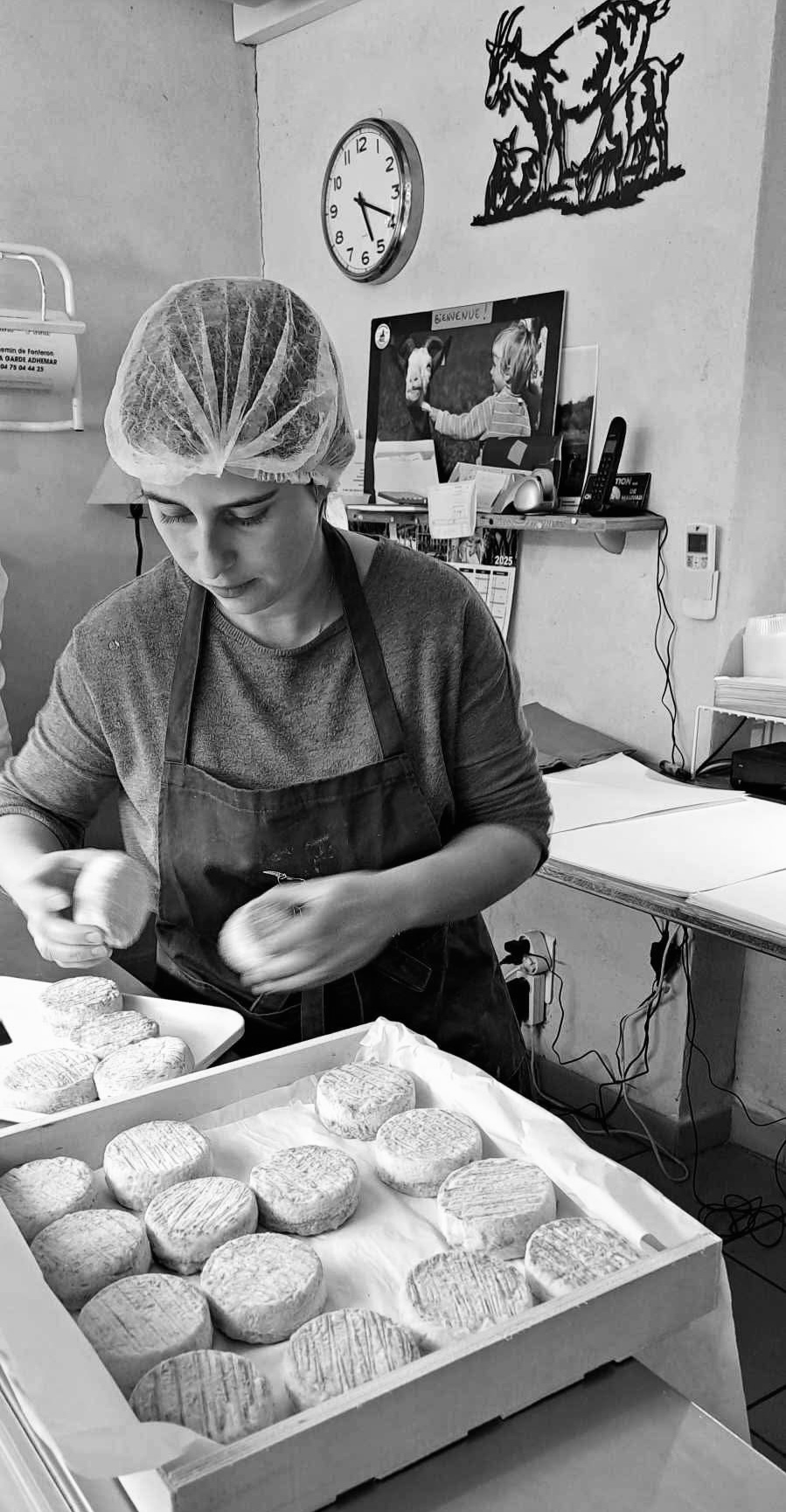
The multi-taskers
The cheeses moulded that same morning are turned in their moulds. We carry on selling and feed the goats
Alaska and Sarah, guardians of the herd
The wolf has been present in the commune for several years, and a pack of at least six wolves roams the surrounding area. To keep taking my goats out to pasture rather than shutting them in with hay, I have equipped myself.
Alaska, a Pyrenean Mountain Dog who arrived at two months old in 2025, grew up with the goats. Sarah, a four-year-old Kangal (Anatolian Shepherd), came to lend her a strong paw in late 2025. A guard dog lives with the herd all year round: she watches over them, keeps lookout and deters.
If a dog barks while you are passing, don’t worry: she is simply doing her job as a guardian.
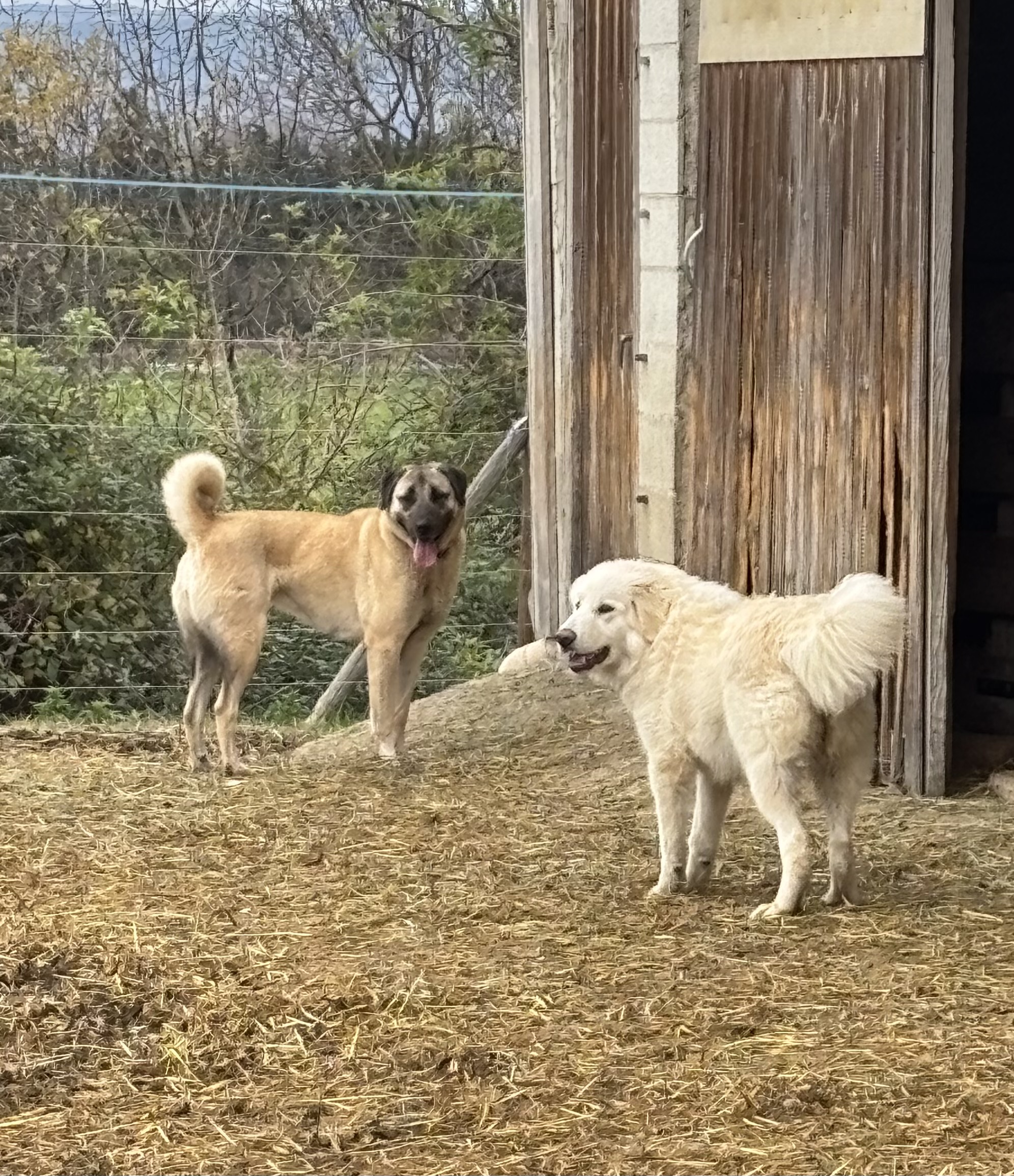
Pampering these little goats every day, as they thoroughly deserve.
And in the dairy?
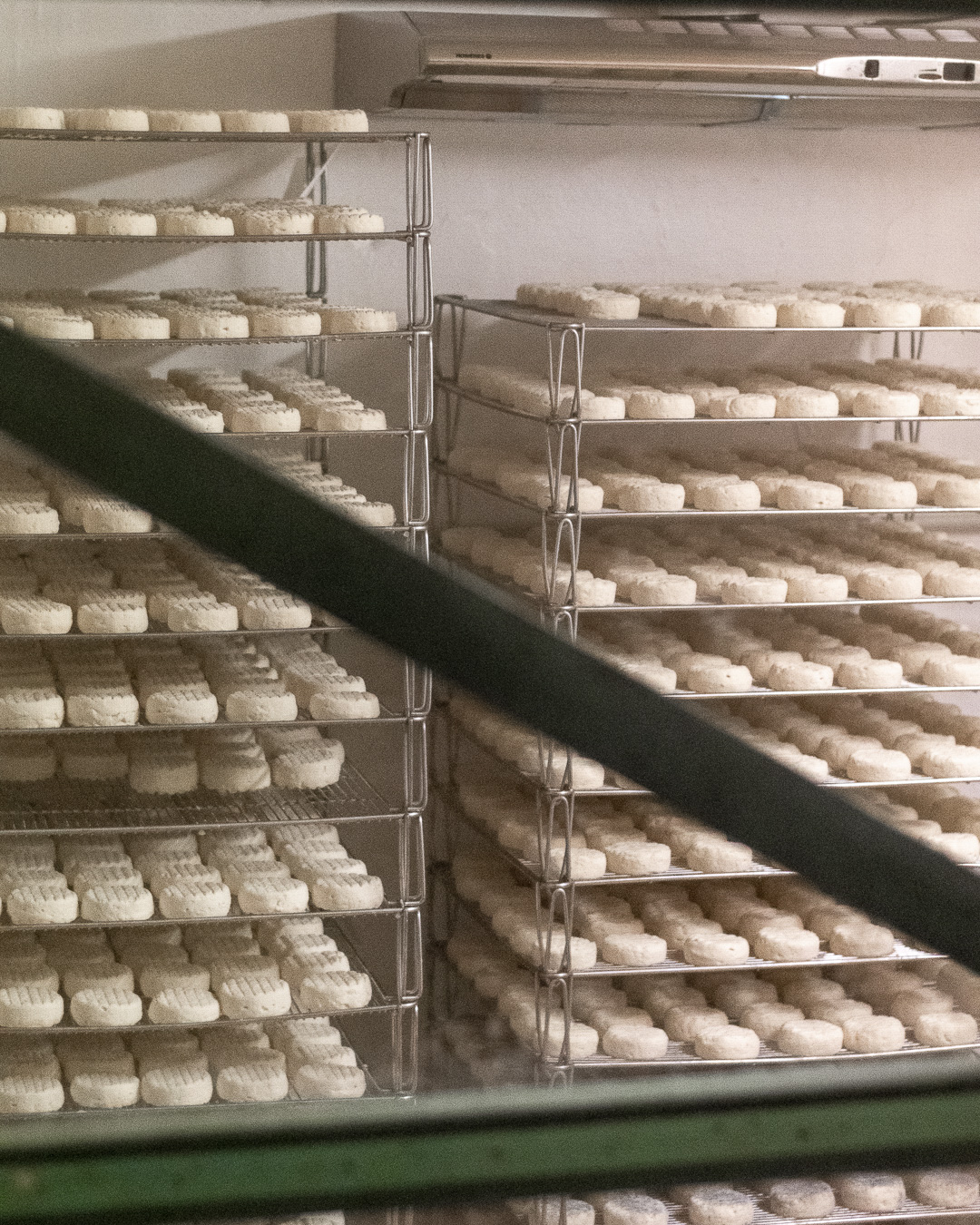
The milk from the morning milking becomes briquettes, fonterons, creamy cheeses, ash-coated cheeses, grey tommes and plenty more. You think it all happens by itself? No, no, the dairy is a giant beehive.
See the whole range